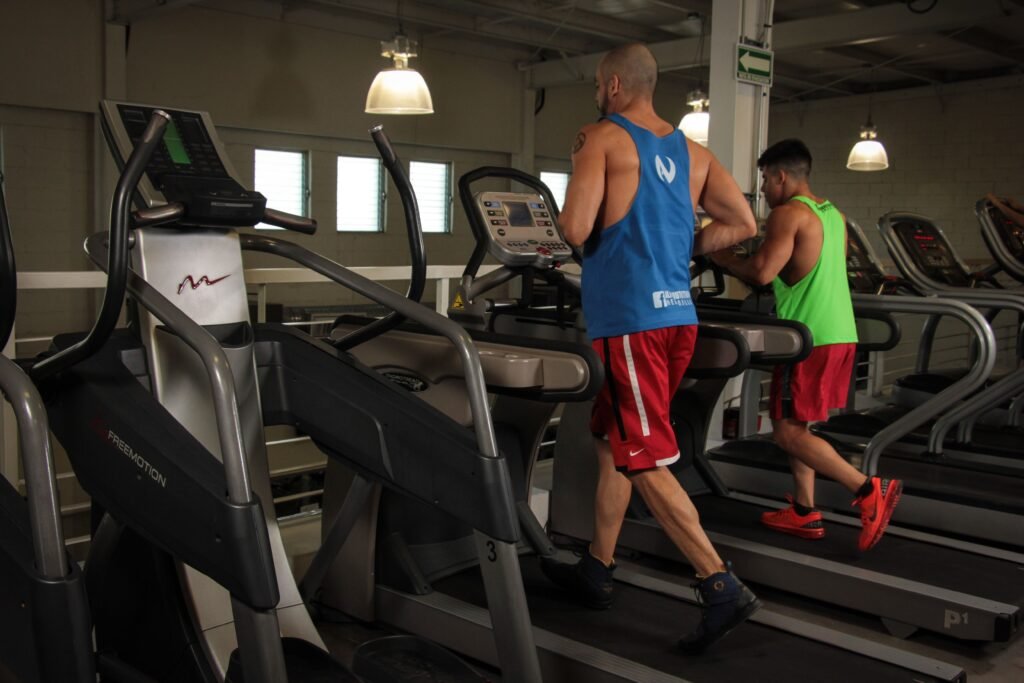
If you’ve ever walked into the gym wondering whether to start with cardio or head straight to the weights, you’re not alone. It’s a common question, and the answer depends on your goals.
Both cardio and strength training are essential for a healthy fitness routine. Cardio improves heart health, burns calories, and boosts endurance. Strength training builds muscle, strengthens bones, and increases metabolism.
However, the order in which you do them in the same workout can impact your performance and results.
Many fitness experts suggest lifting weights before doing cardio, especially if your goal is to build muscle, get stronger, or improve your body composition.
Should You Lift Weights Before Cardio?
According to many trainers, including Eric Roberts, the answer is yes.
Your muscles store carbohydrates as glycogen, which is the main fuel source during resistance training. If you start with intense cardio, your body uses much of that fuel before you even begin lifting weights.
By the time you lift, your muscles may already be tired, making it harder for you to perform at your best.
Why Doing Cardio First Can Reduce Your Performance
Starting your workout with long or high-intensity cardio can leave you feeling worn out before you begin strength training.
When your energy level falls, you may experience the following:
You may struggle to lift the same amount of weight.
Your muscles will tire more quickly.
Your workout intensity will drop.
Your lifting technique might suffer due to fatigue.
In simple terms, if your muscles are low on fuel, they won’t work as well during strength exercises.
Benefits of Lifting Weights Before Cardio
Beginning with strength training allows you to use your highest energy levels.
This means you can:
Lift heavier weights more easily.
Complete more quality repetitions.
Maintain proper exercise form.
Build muscle more effectively.
Improve strength over time.
Lower your risk of injury from fatigue.
Once you finish your strength workout, you can do cardio without compromising your strength performance.
Is It Ever Better to Do Cardio First?
Yes, depending on your goals.
If you’re training for a marathon, improving your running, or working on cardiovascular endurance, it makes sense to focus on cardio while you’re still fresh.
Doing a short five to ten-minute warm-up with light cardio before lifting is also fine. Gentle cardio like walking, cycling, or rowing gets blood flowing and loosens your muscles, helping you prepare while keeping your energy levels up.
The key difference lies in warming up—not tiring yourself out before strength training.
What Counts as Cardio Exercise?
Cardio, or aerobic exercise, includes any activity that keeps your heart rate elevated for a longer time.
Some popular examples include:
Walking
Jogging
Running
Cycling
Swimming
Rowing
Jumping rope
Climbing stairs
Regular cardio boosts heart and lung health, improves stamina, supports healthy blood circulation, burns calories, and lowers the risk of chronic diseases.
What Is Strength Training?
Strength training challenges your muscles by using resistance.
This resistance can come from:
Dumbbells
Barbells
Resistance bands
Weight machines
Your own body weight
Exercises such as squats, deadlifts, bench presses, lunges, push-ups, and pull-ups all help strengthen muscles.
Besides increasing muscle mass, strength training also supports stronger bones, healthier joints, better posture, improved balance, and greater independence as you age.
Can You Combine Cardio and Weight Training in the Same Workout?
Absolutely.
Many people successfully combine both types of workouts in one gym session.
A simple routine might look like this:
Start with a light dynamic warm-up.
Complete your weight-training session.
Finish with 15 to 30 minutes of cardio.
Cool down and stretch.
This approach helps you maximize strength performance while still gaining all the cardiovascular benefits.
Best Weight Loss Workout
If your goal is weight loss, incorporate both cardio and strength training into your routine.
Most trainers still recommend lifting weights first followed by cardio. Resistance training helps maintain lean muscle while losing fat, and having more muscle supports a healthier metabolism.
Ending with cardio also boosts your total calorie burn for the workout.
That said, the “perfect” order of workouts is less critical than staying consistent.
Conclusion
Both cardio and strength training offer significant health benefits, but if you’re combining them in one workout, starting with weight training is usually the best choice.
Beginning with resistance exercises lets you lift heavier, keep better form, build muscle effectively, and reduce injury risk. Once you finish your strength workout, doing cardio is a great way to boost heart health and calorie burn.
Remember, there isn’t one workout plan that suits everyone. Your ideal routine depends on your individual goals, fitness level, and lifestyle. Whether you’re focusing on strength, endurance, or weight loss, consistency will always be the key to long-term success.
Disclaimer: This article is for educational purposes only and should not replace professional medical or fitness advice. If you have medical conditions or are starting a new exercise program, consult your healthcare provider or a certified fitness professional before making changes to your routine.