Building a strong body isn’t just about lifting heavier weights or running faster. The real goal is to stay active, independent, and confident in your movements for years to come. That’s where functional exercises make a difference.
Unlike traditional workouts that isolate one muscle group at a time, functional training enhances the way your body moves in everyday life. These exercises strengthen multiple muscles at once while improving balance, coordination, flexibility, and stability. They can make daily tasks—such as climbing stairs, carrying groceries, getting up from the floor, or protecting falls—feel easier as you age.
Functional fitness becomes more important with age because it focuses on movements you actually use every day. Instead of training individual muscles in isolation, these exercises teach your body to move as one coordinated unit. This not only improves strength but also helps you perform everyday activities with greater ease and confidence. Whether you’re picking something up from the floor, reaching for an item on a high shelf, or simply walking on uneven ground, functional exercises prepare your body for real-life situations.
Fitness experts recommend the following four functional exercises to help enhance overall strength, mobility, and long-term health.
1. Single-Leg Balance Exercise
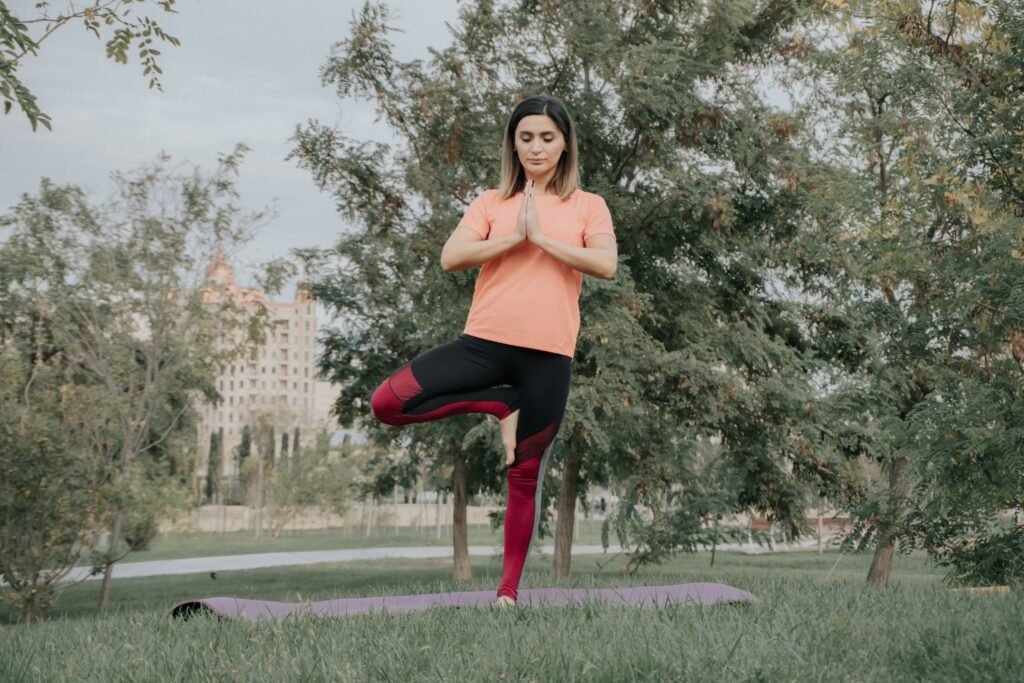
Standing on one leg may seem simple, but it’s one of the most effective ways to enhance balance and lower-body stability. This exercise strengthens your ankles, knees, hips, and core while improving coordination between your muscles and nervous system.
Better balance can considerably reduce your risk of falls and help you stay independent as you grow older.
How to Do It
Lift one foot off the floor while keeping a slight bend in your standing leg.
Keeping your eyes on one spot can make balancing easier and improve stability.
Hold for 20-30 seconds.
Repeat for 2–3 rounds on each leg.
Although this movement looks simple, it challenges several stabilizing muscles that often become weaker with age. Practicing it consistently can improve body awareness, strengthen the muscles around your ankles and hips, and make everyday activities like walking, climbing stairs, or standing on one foot much safer. Even spending a few minutes on balance training several times a week can make a noticeable difference over time.
2. Turkish Get-Up
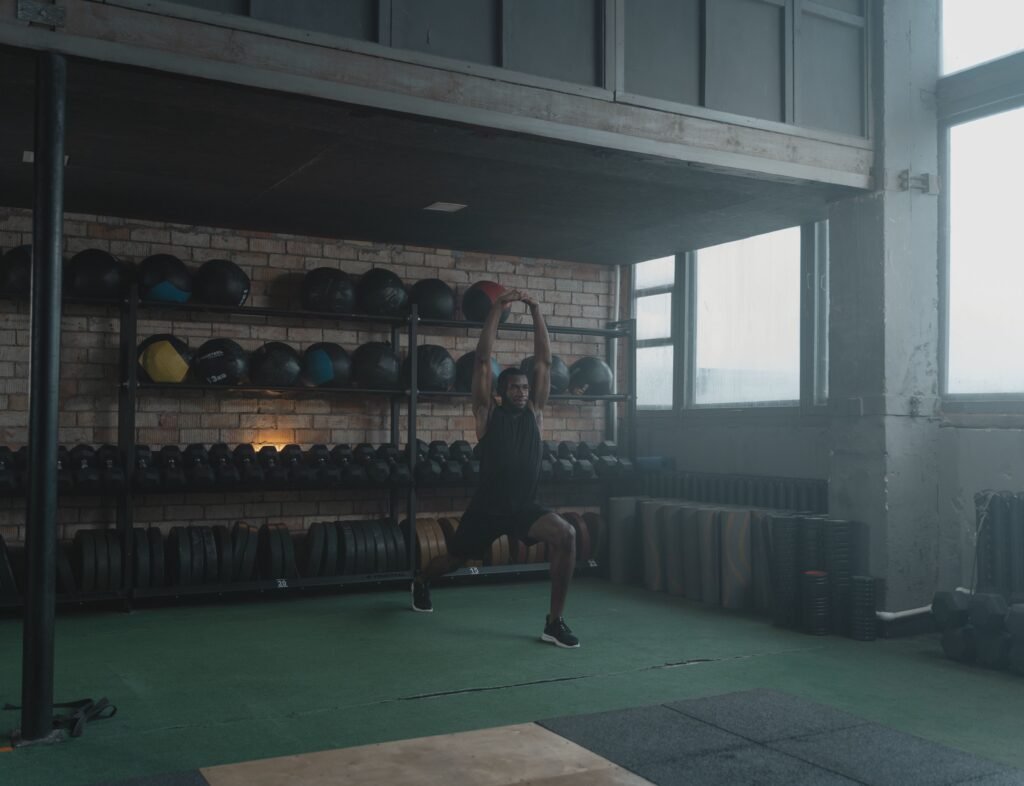
The Turkish get-up is one of the most complete functional exercises you can perform. It combines strength, mobility, flexibility, coordination, and equalization into a single movement.
This exercise closely mimics everyday actions like getting off the floor, reaching overhead, and standing up safely. Adding this movement to your routine helps develop better coordination while making your shoulders, core, hips, and legs stronger.
How to Do It
Bring the knee on the same side up and place your foot securely on the ground.
Push through your foot and elbow to lift yourself into a seated position.
Raise your hips and slide your straight leg underneath your body into a lunge position.
Stand up while keeping your arm fully extended overhead.
Reverse each step slowly until you return to the starting position.
Because this exercise combines several movements into one, it requires patience and proper technique. Beginners should start without any weight until they feel comfortable with each step. As your mobility and coordination improve, you can gradually introduce a light dumbbell or kettlebell.
3. High Plank (Straight-Arm Plank)
The high plank is much more than a core exercise. It activates your shoulders, arms, chest, back, hips, glutes, and legs all at once, making it one of the best full-body stability movements.
Holding a strong plank improves posture, strengthens your core, and teaches your body to stay stable during everyday movements. It also helps lower the risk of injury by improving overall body control.
How to Do It
Position yourself in a high plank with your shoulders stacked over your hands.
Extend your legs behind you and form a straight line from your head to your heels.
Engage your core, tighten your glutes, and keep your hips aligned throughout the movement.
Breathe normally while holding the position for 20–60 seconds.
Repeat 2–3 times.
A strong core is essential for almost every movement your body performs. Beyond improving abdominal strength, the high plank teaches your body to maintain proper alignment while reducing unnecessary strain on your lower back. Over time, this can contribute to better posture, greater stability, and improved performance during both exercise and daily activities.
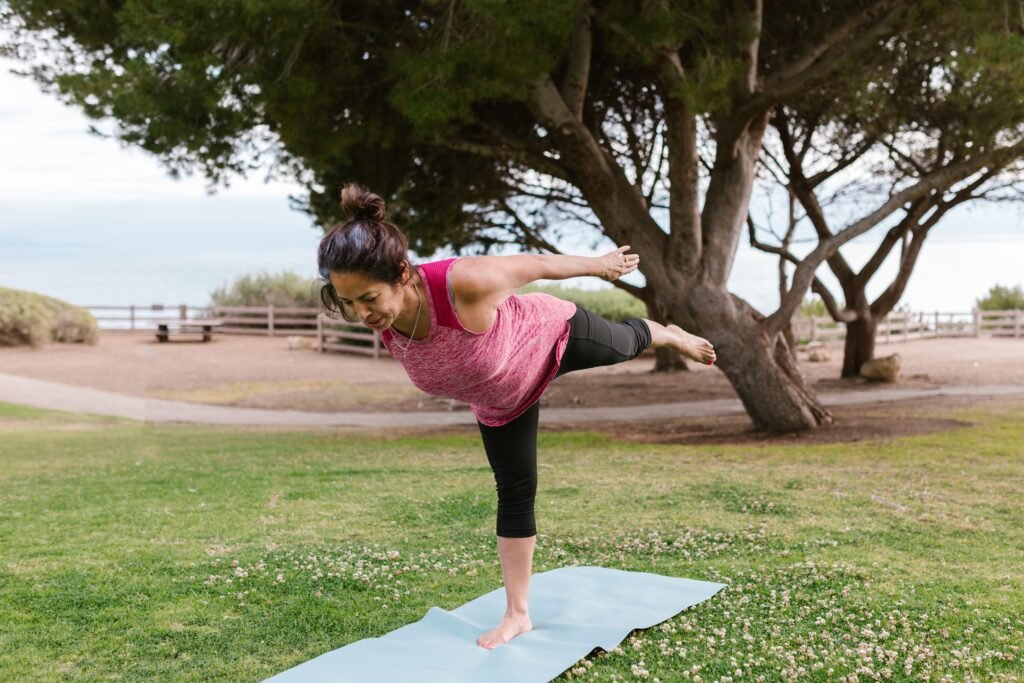
4. Single-Leg Romanian Deadlift
The single-leg Romanian deadlift is an excellent exercise for enhancing balance, lower-body strength, and core stability. It targets the muscles along the back of your body, including your glutes, hamstrings, calves, and lower back.
Training one leg at a time also helps correct muscle imbalances and enhances overall movement quality.
How to Do It
Stand on one leg with a slight bend in your knee while holding a dumbbell or simply using your body weight.
Slowly hinge forward from your hips while extending your opposite leg straight behind you.
Keep your back flat, chest lifted, and core engaged throughout the movement.
Hinge forward until your hamstrings feel a light stretch, then pause.
Press through your standing heel and return to a straight position.
Complete all repetitions before switching legs.
This exercise also improves hip mobility and strengthens the muscles responsible for keeping your pelvis stable while walking or standing. Since each leg works independently, it can help identify and correct strength differences between both sides of the body, leading to better overall movement and reducing the likelihood of future injuries.
The key to getting the most out of functional training is consistency rather than intensity. You don’t need long or exhausting workouts to experience the benefits. Performing these exercises two or three times a week with proper form can gradually improve strength, balance, and mobility while supporting healthy aging. Small improvements made consistently often lead to the greatest long-term results.
Why Functional Exercises Matter as You Age
Functional training prepares your body for real-life movement instead of just improving gym performance. These exercises strengthen the muscles you use every day while improving flexibility, coordination, balance, and mobility.
Practicing functional movements regularly may help you:
Improve balance and stability
Reduce the risk of falls and injuries.
Strengthen muscles used in daily tasks
Support healthy posture and joint function
Maintain mobility and independence as you age.
Build total-body strength instead of isolated muscles.
Conclusion
Staying strong as you age isn’t about lifting the heaviest weights—it’s about moving well every day. Including exercises like the single-leg balance, Turkish get-up, high plank, and single-leg Romanian deadlift in your routine can improve total-body strength, balance, and mobility for everyday life. Adding these movements to your weekly routine can help you stay active, reduce injury risk, and maintain the strength needed for everyday life well into the future.