Building muscle is about much more than looking fit. As you get older, strong muscles help you stay active, protect your joints, enhance balance, and make daily tasks much easier. Whether you’re climbing stairs, carrying groceries, or playing with your children or grandchildren, strength training helps you maintain your independence for years to come.
Fitness experts agree that you don’t need a complex workout routine to enjoy these advantages. Instead, focusing on a few proven compound exercises that train multiple muscle groups at once can enhance your strength, posture, movement, and long-term health.
Strength training is one of the most effective ways to protect your health as you age. After the age of 30, adults naturally begin to lose muscle mass if they don’t stay physically active. Over time, this can affect balance, mobility, and overall strength. The good news is that regular resistance exercises can slow this process and help you stay stronger for longer. Even a few well-chosen movements performed consistently can make everyday activities feel easier and improve your overall quality of life.
Here are the three best muscle-building exercises experts recommend for facilitating both strength and longevity.
1. Lunges:
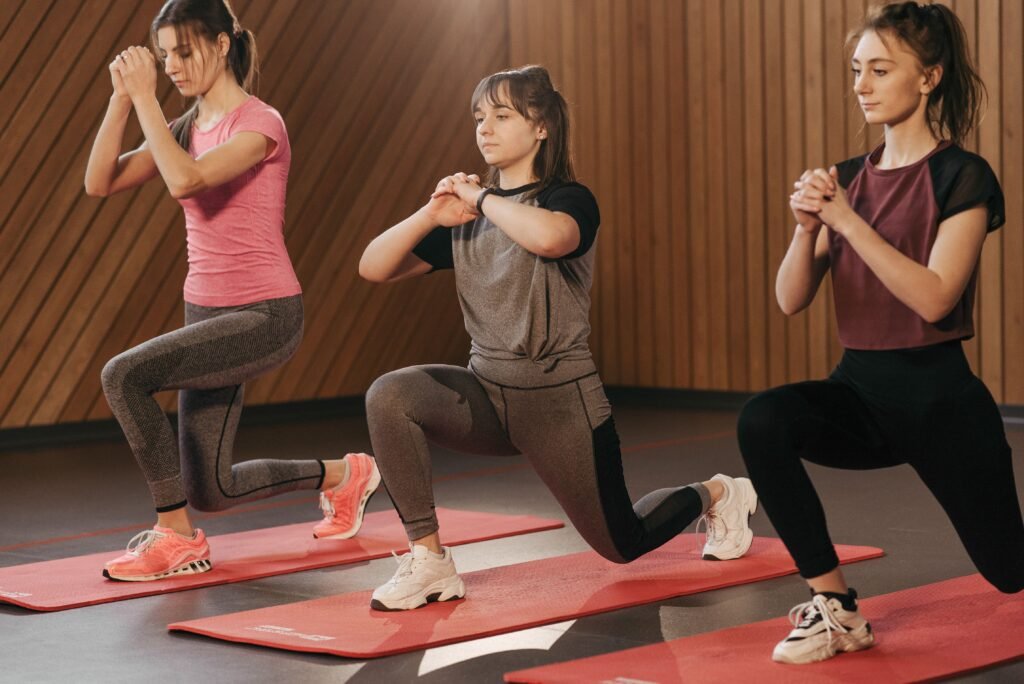
Build Strong Legs and Better Balance Lunges are one of the most effective lower-body exercises because they strengthen each leg individually. This helps enhance muscle balance, coordination, and stability while reducing the danger of falls as you age.
Your quadriceps, glutes, hamstrings, and core all work together during lunges, making them an excellent functional movement that mimics daily tasks like climbing stairs, walking uphill, or getting up from a chair.
How to Perform a Lunge Properly
Stand with your feet about hip-width apart.
Keep your chest up, tighten your core, and maintain good posture throughout the movement..
Step one foot forward comfortably.
Lower your body until both knees are bent at roughly 90 degrees.
Press through the heel of your front foot to stand back up and return to where you started.
Repeat on the against leg.
Lunges also help improve joint stability by strengthening the muscles around your knees and hips. Because each leg works independently, they can correct muscle imbalances that often develop over time. This not only improves athletic performance but also makes everyday movements like walking, climbing stairs, and standing from a seated position feel more comfortable and controlled.
Pro Tip:
Focus on slow, controlled movements instead of rushing through each repetition.
2. Push-Ups: Strengthen Your Entire Upper Body
Push-ups remain one of the best bodyweight exercises because they train several major muscle groups at the same time. Your chest, shoulders, triceps, back, and core all work together during every repetition.
Beyond building muscle, push-ups enhance posture, upper-body stability, and the strength needed for daily movements like pushing yourself off the floor, lifting objects, or performing household tasks.
How to Do a Push-Up Correctly
Start in a high plank position with your hands slowly wider than shoulder-width apart.
Keep your body in a upright line from head to heels.
Tighten your core and glutes.
Slowly lower your body until your elbows reach about a 90-degree angle.
Press through your palms to return to the starting position.
Another advantage of push-ups is that they require little to no equipment, making them easy to perform almost anywhere. Whether you’re exercising at home, in a park, or while traveling, push-ups offer a convenient way to build upper-body strength. As your fitness improves, you can increase the challenge by trying different variations such as decline, diamond, or close-grip push-ups.
Beginner Tip:
If standard push-ups are too difficult, start with incline or knee push-ups while building strength.
3. Bent-Over Rows: Improve Posture and Back Strength
Modern lifestyles often involve hours of sitting and looking down at phones or computers, which can lead to rounded shoulders and poor posture. Bent-over rows help reverse these problems by strengthening the upper back, shoulders, arms, and core.
A stronger back improves spinal facilitates, minimum the risk of injury, and helps you maintain better posture during daily activities.
How to Perform a Bent-Over Row
Stand with your feet hip-width apart while holding a dumbbell in each hand.
Slightly bend your knees and hinge at your hips until your torso leans forward.
Keep your back flat and your neck neutral.
Pull the dumbbells toward your lower ribcage, keeping your elbows tucked in close to your sides.
At the top of the movement, gently squeeze your shoulder blades together to fully engage your back muscles.
Lower the dumbbells in a slow, controlled motion until you reach the starting position again.
Strong back muscles are essential for maintaining good posture and reducing everyday aches caused by prolonged sitting. Bent-over rows help strengthen the muscles responsible for keeping your shoulders pulled back and your spine properly aligned. Over time, this can improve posture, reduce neck and shoulder tension, and make lifting or carrying heavy objects feel much easier.
Pro Tip:
Avoid using momentum. Let your back muscles do the work throughout the movement.
Why These Three Exercises Matter for Longevity
These exercises target nearly every major muscle group while improving balance, mobility, posture, and functional strength. Unlike isolation exercises, compound movements prepare your body for real-life activities, helping you stay active and independent as you age.
When combined with proper nutrition, adequate protein intake, and steady hindrance training, these exercises can help preserve muscle mass, reduce injury risk, enhance bone health, and improve overall quality of life.
Consistency is far more important than doing long or intense workouts. Performing these compound exercises two or three times each week can gradually improve strength, mobility, and overall fitness. Pairing your workouts with a balanced diet, quality sleep, and adequate recovery gives your muscles the support they need to repair, grow, and become stronger over time.
Conclusion
Lunges, push-ups, and bent-over rows provide a solid foundation for increasing muscle, improving balance, supporting healthy posture, and maintaining independence for years to come.
Start with proper form, train consistently two to three times per week, and gradually increase the difficulty as your strength improves. Over time, these simple movements can make everyday life feel easier while supporting healthy aging and long-term fitness.