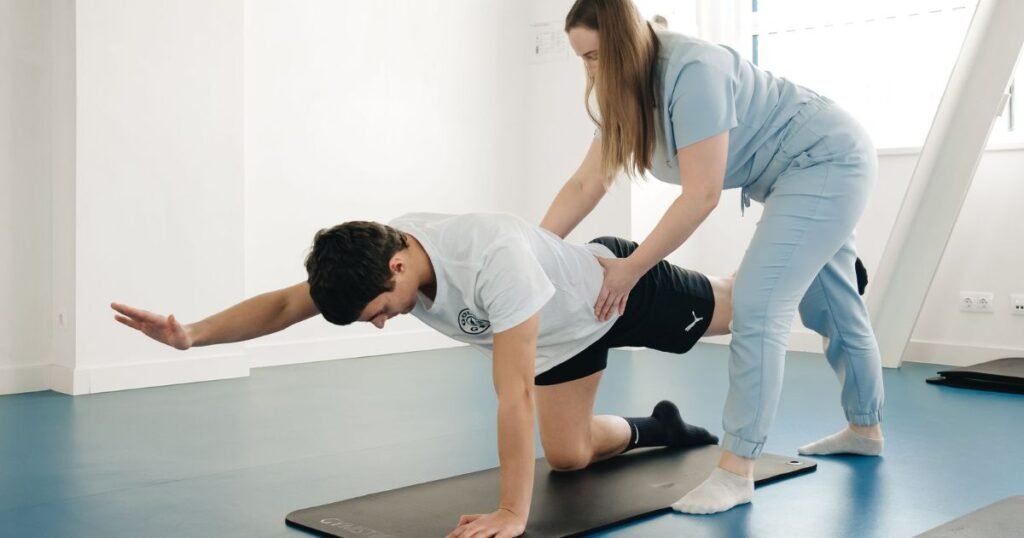
Starting a 7-Day Bodyweight Training program is one of the easiest ways to improve your fitness without expensive equipment or a gym membership. This beginner-friendly plan helps you build muscle strength, improve bone health, and increase daily energy using simple movements you can perform anywhere. As you follow a structured routine, your body becomes stronger, your posture improves, and everyday activities feel easier. Regular bodyweight training also supports better balance, flexibility, and long-term wellness while helping you reach your fitness goals safely.
Whether you’re new to exercise or returning after a break, this seven-day plan provides a practical path toward a healthier, stronger, and more active lifestyle.
What Is Bodyweight Training and Why Is It Effective?
Bodyweight training uses your own body as resistance instead of machines or heavy weights. Every movement challenges your muscles while improving coordination and stability. Unlike many gym programs, this type of strength training works naturally with the way your body moves every day. Exercises such as Pushups, Body-Weight Squats, lunges, and planks activate multiple muscles together instead of isolating one area.
One major reason experts recommend Body-Weight Training is its ability to improve overall fitness without expensive equipment. As your muscles contract against gravity, they create Mechanical Load that stimulates stronger bones and healthier muscles. This natural form of weight-bearing exercise encourages your body to become stronger while lowering injury risk when performed with Proper Form.
How Bodyweight Training Works for Beginners
Every beginner starts with simple movements before progressing toward more advanced exercises. Your body slowly adapts through Exercise Progression, making each workout slightly more challenging. This gradual increase supports muscle growth, improves endurance, and develops better movement quality without overwhelming your joints.
Benefits of a 7-Day Bodyweight Training Plan
A structured 7-Day Bodyweight Training Plan gives every muscle group enough attention while allowing proper exercise recovery. Instead of training the same muscles daily, each session targets different areas of the body. This balanced approach improves body composition, increases lean muscle, and develops lasting fitness without excessive fatigue.
Another advantage is convenience. Since a home workout removes travel time and equipment costs, many beginners stay consistent longer. Regular physical activity also supports healthy aging, increases confidence, improves posture, and helps maintain functional fitness for everyday tasks like climbing stairs, lifting groceries, and playing with children.
| Benefit | How It Helps |
|---|---|
| Better Strength | Builds stronger muscles using natural resistance |
| Improved Bone Health | Supports stronger bones through daily loading |
| Better Balance | Reduces fall risk and improves coordination |
| Healthy Weight | Burns calories while preserving lean muscle |
| More Energy | Improves endurance for daily activities |
| Greater Mobility | Helps joints move more comfortably |
Why a Weekly Bodyweight Training Schedule Delivers Better Results
Following a planned weekly workout plan removes guesswork and creates healthy exercise habits. Small improvements each week build momentum. Over time, regular training becomes part of your routine instead of feeling like another difficult task.
How Bodyweight Exercise Helps Build Strong Bones
Your skeleton constantly rebuilds itself throughout life. During bone-loading exercises, muscles pull against bones, encouraging specialized cells called Osteoblasts to produce new bone tissue. This process improves Bone Density, supports Strong Bones, and reduces the risk of future fractures.
Research also shows that Muscle Contractions combined with Impact Forces during activities like jumping, stair climbing, and squats stimulate bone remodeling more effectively than inactivity. These movements are especially valuable for reducing osteoporosis prevention concerns as people age while promoting lifelong healthy bones.
The combination of Resistance Training and Weight-Bearing Impact also strengthens surrounding muscles and connective tissues. Strong muscles improve posture, support joints, and reduce stress on bones during daily activities. Even simple exercises performed consistently can contribute to better skeletal health over time.
The Science Behind Bone Density and Weight-Bearing Exercise
Bones respond to movement much like muscles respond to exercise. When your body experiences safe levels of resistance, it becomes stronger to prepare for future demands. This remarkable adaptation explains why consistent training is one of the best long-term investments for lifelong mobility and independence.
What Is Bodyweight Training and Why Is It Effective?
Bodyweight training uses your own body as resistance instead of machines or heavy weights. Every movement challenges your muscles while improving coordination and stability. Unlike many gym programs, this type of strength training works naturally with the way your body moves every day. Exercises such as Pushups, Body-Weight Squats, lunges, and planks activate multiple muscles together instead of isolating one area.
One major reason experts recommend Body-Weight Training is its ability to improve overall fitness without expensive equipment. As your muscles contract against gravity, they create Mechanical Load that stimulates stronger bones and healthier muscles. This natural form of weight-bearing exercise encourages your body to become stronger while lowering injury risk when performed with Proper Form.
How Bodyweight Training Works for Beginners
Every beginner starts with simple movements before progressing toward more advanced exercises. Your body slowly adapts through Exercise Progression, making each workout slightly more challenging. This gradual increase supports muscle growth, improves endurance, and develops better movement quality without overwhelming your joints.
Benefits of a 7-Day Bodyweight Training Plan
A structured 7-Day Bodyweight Training Plan gives every muscle group enough attention while allowing proper exercise recovery. Instead of training the same muscles daily, each session targets different areas of the body. This balanced approach improves body composition, increases lean muscle, and develops lasting fitness without excessive fatigue.
Another advantage is convenience. Since a home workout removes travel time and equipment costs, many beginners stay consistent longer. Regular physical activity also supports healthy aging, increases confidence, improves posture, and helps maintain functional fitness for everyday tasks like climbing stairs, lifting groceries, and playing with children.
| Benefit | How It Helps |
|---|---|
| Better Strength | Builds stronger muscles using natural resistance |
| Improved Bone Health | Supports stronger bones through daily loading |
| Better Balance | Reduces fall risk and improves coordination |
| Healthy Weight | Burns calories while preserving lean muscle |
| More Energy | Improves endurance for daily activities |
| Greater Mobility | Helps joints move more comfortably |
Why a Weekly Bodyweight Training Schedule Delivers Better Results
Following a planned weekly workout plan removes guesswork and creates healthy exercise habits. Small improvements each week build momentum. Over time, regular training becomes part of your routine instead of feeling like another difficult task.
How Bodyweight Exercise Helps Build Strong Bones
Your skeleton constantly rebuilds itself throughout life. During bone-loading exercises, muscles pull against bones, encouraging specialized cells called Osteoblasts to produce new bone tissue. This process improves Bone Density, supports Strong Bones, and reduces the risk of future fractures.
Research also shows that Muscle Contractions combined with Impact Forces during activities like jumping, stair climbing, and squats stimulate bone remodeling more effectively than inactivity. These movements are especially valuable for reducing osteoporosis prevention concerns as people age while promoting lifelong healthy bones.
The combination of Resistance Training and Weight-Bearing Impact also strengthens surrounding muscles and connective tissues. Strong muscles improve posture, support joints, and reduce stress on bones during daily activities. Even simple exercises performed consistently can contribute to better skeletal health over time.
The Science Behind Bone Density and Weight-Bearing Exercise
Bones respond to movement much like muscles respond to exercise. When your body experiences safe levels of resistance, it becomes stronger to prepare for future demands. This remarkable adaptation explains why consistent training is one of the best long-term investments for lifelong mobility and independence.
Common Beginner Mistakes to Avoid
Many beginners expect fast results and try to do too much too soon. This often leads to poor exercise consistency, soreness, and frustration. Instead of increasing difficulty every session, focus on mastering Proper Form and building a steady fitness routine that your body can handle comfortably.
Another common mistake is skipping recovery. Your muscles grow while resting, not during the workout itself. Ignoring Recovery Days or repeating the same exercises daily can slow progress and increase injury risk. A balanced exercise program always includes recovery and gradual improvement.
Simple Changes That Improve Workout Results Faster
Small adjustments can make a huge difference in your training progress. Staying patient, tracking your workouts, and listening to your body help you improve safely. Consistent effort over several weeks delivers better results than pushing yourself too hard during the first few days.
| Common Mistake | Better Choice |
|---|---|
| Skipping warm-up | Complete a Dynamic Warm-Up |
| Poor technique | Focus on Proper Form |
| No recovery | Schedule Recovery Days |
| Training too hard | Increase difficulty gradually |
| Inconsistent workouts | Follow a weekly routine |
Nutrition Tips to Support Muscle Growth and Bone Health
Exercise works best when paired with healthy nutrition. Your body needs Protein, Calcium, and Vitamin D to support muscle growth and stronger bones. Foods like eggs, chicken, fish, beans, yogurt, leafy greens, and fortified milk provide nutrients that help repair muscles after every workout.
Healthy meals also improve bone health by supporting Bone Mineral production and overall recovery. Include fruits, vegetables, whole grains, tofu, nuts, and seeds in your daily meals. Drinking enough water throughout the day keeps muscles working properly and supports overall performance during training.
| Nutrient | Best Food Sources | Main Benefit |
|---|---|---|
| Protein | Chicken, eggs, fish, beans | Builds muscles |
| Calcium | Dairy, tofu, leafy greens | Supports strong bones |
| Vitamin D | Salmon, fortified milk, sunlight | Helps absorb calcium |
| Healthy Carbohydrates | Oats, brown rice, fruit | Provides workout energy |
| Healthy Fats | Nuts, seeds, avocado | Supports recovery |
Best Foods to Fuel Recovery, Lean Muscle, and Strong Bones
Eating balanced meals after exercise speeds recovery and supports long-term fitness. Combining protein with healthy carbohydrates helps repair muscles while replacing lost energy. A nutritious diet also makes your healthy lifestyle easier to maintain because your body feels stronger throughout the day.
How to Stay Consistent with Your Workout Routine
Building a lasting habit matters more than chasing perfect workouts. Set realistic fitness goals and schedule exercise like any other important appointment. A regular workout routine becomes easier to follow when you choose activities you actually enjoy instead of forcing yourself into difficult programs.
Motivation naturally changes from week to week. However, discipline keeps you moving even on low-energy days. Tracking progress, celebrating small victories, and remembering why you started improve exercise consistency. Every completed workout builds confidence and supports lifelong healthy movement.
Daily Habits That Help You Stay Motivated Long-Term
Prepare your workout clothes the night before and choose a fixed training time each day. These simple habits reduce excuses and create momentum. Even a short session is better than skipping completely because consistent action produces better results than occasional intense workouts.
When Will You See Results from Bodyweight Training?
Results from a 7-Day Bodyweight Training Plan for Beginners depend on your effort, nutrition, recovery, and starting fitness level. Most beginners notice improved energy and mobility within two weeks. Visible muscle gains, better endurance, and healthier body composition often appear after six to eight weeks of regular training.
Consistency matters more than perfection. Following your workout routine, eating nutritious meals, and getting enough sleep help your body adapt faster. As your physical fitness improves, everyday tasks become easier. You’ll also notice better posture, increased confidence, and smoother functional movement throughout your daily life.
| Timeline | Expected Results |
|---|---|
| 1–2 Weeks | Better energy and improved mobility |
| 3–4 Weeks | Increased strength and better balance |
| 6–8 Weeks | Visible muscle definition and improved endurance |
| 3+ Months | Better bone strength, healthier body composition, and long-term fitness improvements |
Realistic Timeline for Strength, Muscle, and Fitness Progress
Progress is different for everyone. Stay patient and trust the process. Small improvements every week create lasting changes. Long-term success comes from maintaining exercise consistency, practicing healthy movement, and gradually increasing your workout challenge over time.
Conclusion
A 7-Day Bodyweight Training Plan for Beginners proves that you don’t need a gym to become stronger and healthier. Regular Strength Training, smart recovery, balanced nutrition, and consistent practice help build stronger muscles, healthier bones, and better overall fitness. Even short daily sessions create meaningful improvements when performed with proper technique.
The greatest results come from staying committed to your routine rather than searching for quick fixes. Build your workouts around healthy habits, focus on gradual progress, and enjoy every milestone. Over time, you’ll develop greater confidence, improved functional fitness, better mobility, and long-lasting health that supports an active, independent lifestyle for years to come.
FAQ’S
Can you build bone density with bodyweight exercises?
Yes. Bodyweight exercises create stress on your bones, which helps improve bone density and supports stronger bones over time.
Can I strength train 7 days a week?
You can, but it isn’t ideal. Most people benefit from 2–4 strength training sessions weekly with recovery days to prevent overtraining.
How many days a week should you do bone strengthening activities?
Aim for bone-strengthening activities at least 2–3 days per week along with regular weight-bearing exercise for better bone health.
What are the only 5 exercises you’ll ever need?
The five essential exercises are squats, push-ups, lunges, planks, and rows because they train most major muscle groups.
What exercise increases bone density the most?
High-impact weight-bearing exercises like jumping, stair climbing, and resistance training are among the best for increasing bone density.