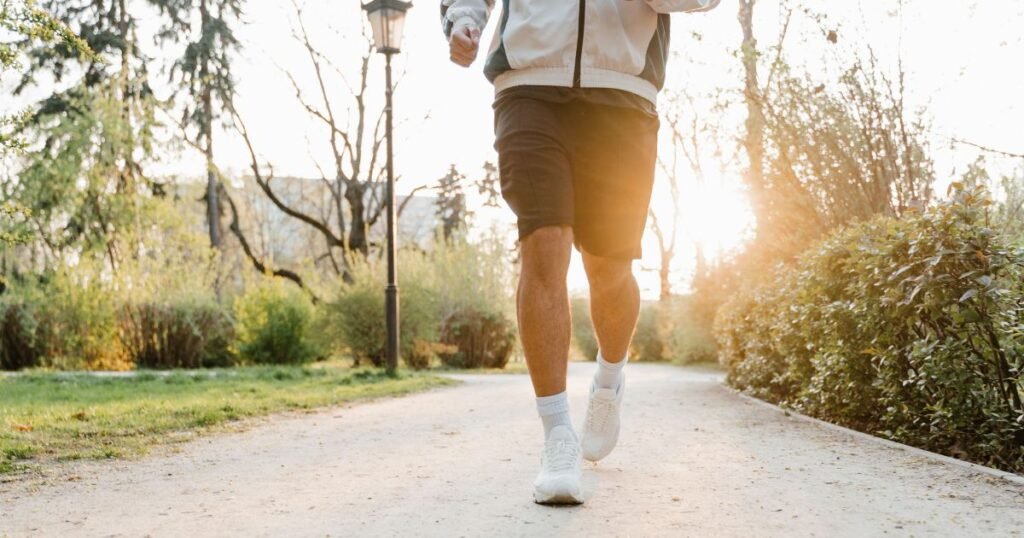
Walking is one of the easiest ways to improve vein health and support healthy circulation every day. Unlike intense workouts, it is simple, free, and suitable for almost everyone. Each step activates your calf muscles, helping push blood back toward your heart and improving blood flow naturally. Regular walking can reduce leg heaviness, swelling, and discomfort while supporting better cardiovascular wellness. It also encourages a healthier lifestyle by increasing daily movement without placing excessive stress on your joints.
Whether you are preventing vein problems or managing poor circulation, adding a daily walk to your routine is a practical habit that promotes healthy veins and long-term overall health.
1. What Is Vein Health and Why Does It Matter?
How Veins Work to Keep Blood Flowing
Your veins play an essential role in moving oxygen-depleted blood from different parts of your body back to the heart. Unlike arteries, veins work against gravity, especially in your legs. Small vein valves stop blood from flowing backward and keep circulation moving in the right direction.
The journey becomes harder when these valves weaken or when your leg muscles stay inactive for long periods. Blood may begin collecting inside the lower legs instead of returning smoothly to the heart. Over time, this can lead to swelling, discomfort, and visible vein problems that affect daily comfort.
Why Healthy Veins Support Better Circulation
Healthy veins allow continuous blood circulation, helping nutrients and oxygen travel throughout your body. Good circulation also removes waste products from tissues more efficiently. When circulation slows, your legs often feel tired, heavy, or swollen after standing or sitting for several hours.
Maintaining healthy veins supports energy, mobility, and overall wellness. Better circulation also helps reduce pressure inside the veins, lowering the chance of developing more serious vascular conditions later in life. Small daily habits often create the biggest improvements over time.
| Healthy Veins | Unhealthy Veins |
|---|---|
| Smooth blood return | Blood pooling |
| Healthy circulation | Poor circulation |
| Less swelling | Leg heaviness |
| Better oxygen delivery | Increased vein pressure |
2. Why Walking Is One of the Best Exercises for Vein Health
How Walking Activates Your Calf Muscle Pump
One reason Walking works so well is because it activates your Calf Muscles, often called the body’s natural Muscle Pump. Every step gently squeezes nearby veins and helps push blood upward toward the heart. This repeated movement supports healthy circulation throughout the day.
Unlike sitting still, walking creates constant muscle contractions that improve blood movement naturally. Even light movement keeps the lower legs active and prevents blood from remaining trapped inside the veins for long periods.
Why Walking Is Better Than Staying Still
Long periods of Sitting or Standing reduce blood movement through the legs. Without muscle activity, circulation slows and pressure builds inside the veins. That extra pressure may eventually contribute to Blood Pooling, swelling, or uncomfortable varicose veins.
Daily walks interrupt inactivity before it causes problems. Many specialists, including experts in Vascular Medicine, encourage short walks throughout the day instead of remaining seated for hours. Consistency matters more than perfection, and even brief walks offer meaningful benefits.
Expert Insight: According to vascular specialists, activating your calf muscles regularly helps your veins move blood more efficiently back toward the heart.
3. How Walking Improves Blood Circulation
Walking and Better Blood Flow
Every walking session increases Blood Flow through your legs by repeatedly contracting muscles that surround your veins. This natural pumping action improves Healthy Blood Flow, helping oxygen and nutrients reach muscles while waste products leave tissues more efficiently.
Better circulation also supports healthier blood vessels and reduces unnecessary strain on your cardiovascular system. As circulation improves, many people notice warmer feet, lighter legs, and better overall comfort during daily activities.
Benefits Beyond Better Circulation
Walking delivers more than improved circulation. It supports Cardiovascular Health, increases Aerobic Fitness, and strengthens muscles without placing heavy stress on joints. Because it is a Low-Impact Exercise, people of different ages can usually perform it safely.
Regular walking also contributes to better weight control, improved mood, healthier blood pressure, and increased endurance. These combined effects make walking one of the most valuable habits for protecting both your veins and your long-term health.
| Walking Benefit | How It Helps |
|---|---|
| Better circulation | Moves blood efficiently |
| Improved heart health | Supports cardiovascular function |
| Increased oxygen delivery | Feeds muscles and tissues |
| Lower vein pressure | Reduces swelling |
| Better fitness | Improves endurance and mobility |
4. Walking and Common Vein Problems
Varicose Veins and Other Vein Conditions
Many people develop Varicose Veins after years of poor circulation, aging, pregnancy, or standing for long hours. These enlarged veins often appear twisted and swollen beneath the skin. You may also notice Leg Swelling, aching legs, or visible blue and purple veins after a busy day.
Another common issue is Venous Disease, which happens when damaged vein valves cannot move blood efficiently. If left untreated, poor circulation may worsen over time and increase discomfort. However, regular walking helps support healthier blood movement and may slow symptom progression before complications appear.
How Walking Helps Reduce Vein Symptoms
Walking naturally activates your calf muscles and reduces pressure inside the veins. Better circulation helps lower Leg Heaviness, decreases swelling, and improves daily comfort. Many people also notice fewer Muscle Cramps after making walking a regular habit.
Although walking cannot completely remove existing varicose veins, it often prevents symptoms from becoming worse. Better circulation also keeps nutrients moving through tissues, helping your legs feel lighter and more energized during everyday activities.
| Common Vein Problem | How Walking Helps |
|---|---|
| Varicose veins | Improves blood movement |
| Leg swelling | Reduces fluid buildup |
| Heavy legs | Lowers vein pressure |
| Muscle cramps | Improves circulation |
| Poor circulation | Supports healthier blood flow |
5. Who Benefits Most from Walking for Vein Health?
People at Higher Risk of Vein Problems
Almost everyone benefits from walking, but some groups need it even more. People with Obesity, older adults, office workers, and individuals who spend hours standing often experience slower circulation. Pregnant People also place extra pressure on their leg veins because of normal body changes during pregnancy.
Workers such as teachers, nurses, cashiers, drivers, and factory employees may spend many hours in one position. Without regular movement, blood can remain in the lower legs longer than it should. Daily walking becomes an easy way to improve circulation before problems develop.
Why These Groups Should Walk Every Day
Walking encourages healthy blood return to the heart while lowering pressure inside leg veins. Regular movement also supports better Mobility, increases fitness, and improves overall Healthy Lifestyle habits. Small daily walks often deliver long-term rewards.
Even ten to twenty minutes of walking several times each day may provide noticeable improvements. Breaking up long periods of sitting or standing keeps muscles active and helps protect your veins from unnecessary stress.
6. Walking vs Other Exercises for Healthy Veins
Which Exercise Supports Vein Health Best?
Many forms of exercise improve circulation, but walking remains one of the safest choices. Unlike high-impact sports, walking is gentle on joints while still improving Exercise for Vein Health. It also fits easily into almost every schedule without requiring expensive equipment or gym memberships.
Swimming, cycling, and strength training also support circulation. However, walking stands out because almost anyone can begin immediately. It combines convenience, safety, and effectiveness in one simple daily habit.
| Exercise | Vein Health | Joint Impact | Beginner Friendly |
|---|---|---|---|
| Walking | Excellent | Very Low | Yes |
| Swimming | Excellent | Very Low | Yes |
| Cycling | Good | Low | Yes |
| Strength Training | Good | Moderate | Yes |
| Running | Good | High | Moderate |
Why Walking Remains the Best Everyday Choice
Walking is simple enough to become a lifelong habit. Unlike intense workouts, it rarely causes injuries when performed correctly. Consistent movement matters far more than occasional extreme exercise. That makes walking one of the easiest ways to improve circulation naturally.
Many specialists, including physicians at the Cleveland Clinic, recommend combining walking with light strength exercises for even better results. According to Jason Wheeler, regular walking supports healthier veins by helping blood travel back toward the heart more efficiently.
7. How Much Walking Is Enough for Better Vein Health?
Daily Walking Recommendations
Experts suggest that Walking 10 Minutes a Day is a great place to begin if you’re new to exercise. As your fitness improves, increase your Daily Walking time to 30–45 minutes most days each week. A steady pace supports Healthy Blood Flow and keeps your Blood Circulation active.
You don’t need marathon sessions to protect your veins. Short walks after meals, during work breaks, or in the evening all contribute to healthier circulation. Consistency matters much more than speed, making regular walking one of the easiest habits for lifelong vein health.
Building a Walking Routine That Lasts
Choose a schedule that fits naturally into your daily life. Morning walks boost energy, lunchtime walks reduce sitting time, and evening walks help relax tired muscles. Following a regular Exercise Routine makes it easier to maintain long-term Physical Activity.
If you’re busy, split your walking into smaller sessions throughout the day. Three 10-minute walks provide similar circulation benefits as one longer session. This simple approach keeps your legs moving and supports better overall health without feeling overwhelming.
8. Tips to Make Walking More Effective for Healthy Veins
Small Changes That Improve Every Walk
Good walking habits increase the benefits for your veins. Wear supportive shoes, maintain good posture, swing your arms naturally, and stay hydrated. Comfortable clothing also helps improve circulation while reducing unnecessary pressure on your lower body during Walking Benefits.
Adding gentle hills or slightly increasing your pace can activate your Leg Muscles even more. However, avoid sudden changes that may strain your body. Gradual progress keeps walking enjoyable and lowers your risk of injury.
Healthy Walking Habits for Better Circulation
Stretch your calves before and after each walk to improve flexibility and support muscle recovery. If your healthcare provider recommends compression stockings, wearing them during longer walks may further improve circulation and reduce swelling.
Avoid sitting immediately after finishing your walk. Continue moving around your home for several minutes to keep blood flowing smoothly. Small daily habits often produce the greatest long-term improvements for Better Circulation and Overall Health.
| Walking Tip | Benefit |
|---|---|
| Supportive shoes | Better comfort and posture |
| Stay hydrated | Supports healthy circulation |
| Stretch regularly | Improves flexibility |
| Walk consistently | Long-term vein protection |
| Increase pace gradually | Better cardiovascular fitness |
9. When Walking Alone Is Not Enough
Warning Signs That Need Medical Attention
Although walking improves circulation, some symptoms require professional care. Severe Leg Swelling, sudden pain, skin color changes, or slow-healing wounds may indicate advanced Venous Disease. These problems shouldn’t be ignored because they may become more serious over time.
One of the biggest concerns is Deep Vein Thrombosis (DVT). This condition happens when Blood Clots form deep inside the veins. Immediate medical attention is necessary because these clots can travel to the lungs and become life-threatening.
Medical Treatments That May Help
Doctors may recommend additional treatments when walking no longer controls symptoms. Compression therapy, minimally invasive vein procedures, medications, or lifestyle changes often improve circulation while reducing discomfort. Early treatment usually provides the best outcomes.
If you notice Skin Discoloration, Skin Infections, Slow-Healing Wounds, or unusual changes like Hair Loss on Lower Legs, schedule an evaluation with a vascular specialist. Combining professional care with regular walking often produces the best long-term results.
10. Other Daily Habits That Support Healthy Veins
Healthy Lifestyle Choices That Improve Vein Health
Walking works even better when combined with healthy daily habits. Maintaining a healthy weight reduces pressure on your Vein Health, while drinking enough water supports smooth Blood Flow. Eating fiber-rich foods and reducing excess salt may also help decrease swelling in your lower legs.
Simple changes like avoiding smoking, staying active, and wearing comfortable shoes can protect your veins for years. These habits improve Cardiovascular Health and encourage stronger circulation throughout your body. Healthy choices today often prevent bigger vein problems later.
Everyday Habits to Protect Your Veins
Avoid sitting or standing in one position for long periods. Stretch your legs every hour and elevate them when resting. These small actions improve circulation and reduce pressure inside your veins. Compression stockings may also help people who stand all day or have existing vein concerns.
Keeping your muscles active is one of the best ways to support lifelong vein health. Combining walking with regular movement throughout the day creates lasting improvements in circulation and overall wellness.
| Healthy Habit | Benefit for Veins |
|---|---|
| Walk every day | Improves circulation |
| Drink enough water | Supports blood flow |
| Maintain healthy weight | Reduces vein pressure |
| Elevate your legs | Lowers swelling |
| Avoid sitting too long | Prevents blood pooling |
12. Final Thoughts
Improving Why Walking Is One of the Best Exercises for Vein Health doesn’t require expensive equipment or difficult workouts. A consistent walking habit keeps your muscles active, improves circulation, supports your heart, and helps protect your veins from everyday stress. Small daily efforts often produce remarkable long-term health benefits.
Whether you’re aiming to prevent vein problems or improve existing symptoms, walking remains one of the safest and most effective activities available. Pair it with healthy eating, proper hydration, and regular movement throughout the day. Your veins, heart, and entire body will benefit from these simple yet powerful lifestyle changes.
FAQ’S
Does Walking Strengthen Veins?
Yes. Walking strengthens your calf muscles, which help push blood back to the heart and support healthier veins.
Does Walking Increase Venous Return?
Yes. Walking activates the calf muscle pump, improving venous return and reducing blood pooling in the legs.
What Exercise Is Good for Vein Health?
Brisk walking is one of the best exercises for vein health. Cycling and swimming also improve circulation with less stress on the joints.
Is Standing or Sitting Better for Veins?
Neither is ideal for long periods. Regular walking and changing your position throughout the day help keep blood flowing properly.
What Vitamin Opens Up Leg Veins?
No vitamin can open blocked veins. However, vitamin C supports healthy blood vessels and vitamin D contributes to overall vascular health.