If you’re looking for anti-inflammatory snacks that are quick, tasty, and easy to fit into a busy day, you have plenty of simple choices. Foods such as fruit, nuts, yogurt, chickpeas, and vegetables can provide fiber, antioxidants, healthy fats, and other nutrients that support overall health. Choosing these foods more often may help you build an anti-inflammatory diet without making your meals complicated. The best snacks combine satisfying ingredients with plenty of flavor while limiting highly processed options.
From apple slices with nut butter to hummus with crunchy vegetables and yogurt topped with berries, these ideas can make healthy eating feel much easier. Here are 15 delicious snacks you can prepare quickly at home.
1. What Makes a Snack Anti-Inflammatory?
At its simplest, an anti-inflammatory snack contains ingredients that contribute useful nutrients to a balanced eating pattern. Foods such as fruits, vegetables, legumes, nuts, seeds, and plain yogurt can provide antioxidants, polyphenols, fiber, and healthy fats. Some foods also provide omega-3 fatty acids, which play important roles in normal body functions. The goal isn’t to find one magical food that stops inflammation. Instead, think of your snack as one small piece of your overall diet.
For example, an apple alone gives you fruit, fiber, and plant compounds. Add peanut butter and you’ve also introduced protein and healthy fats. Similarly, hummus becomes more substantial when paired with carrots, cucumber, or bell peppers. This combination can make a snack more filling while increasing the variety of nutrients you consume. That’s why the best healthy snacks aren’t necessarily complicated recipes. Often, they’re simple combinations of nutrient-dense ingredients that work well together.
Antioxidants and Polyphenols Matter
Many plant foods contain naturally occurring compounds called polyphenols. Berries, apples, cocoa, nuts, and certain spices are useful examples. These compounds have antioxidant activity and are being studied for their potential role in supporting normal inflammatory pathways. However, food shouldn’t be viewed as medicine in isolation. Your overall eating pattern matters far more than one ingredient.
Fiber also deserves attention. It supports normal digestive function and helps feed beneficial bacteria in the gut microbiome. Legumes, berries, apples, chia seeds, vegetables, and nuts can all contribute fiber. Meanwhile, yogurt containing live cultures can provide probiotics that may support gut health. Together, these foods create a more balanced snack than highly processed options that mainly provide refined carbohydrates, added sugar, or excess sodium.
| Nutrient or compound | Common food sources | Why it matters |
|---|---|---|
| Antioxidants | Berries, apples, cocoa | Help protect cells from oxidative stress |
| Polyphenols | Berries, cocoa, nuts, spices | Support normal cellular processes |
| Fiber | Chickpeas, fruit, vegetables, chia | Supports digestive and gut health |
| Omega-3 fatty acids | Chia, walnuts, certain fish | Important for normal heart and brain function |
| Protein | Yogurt, eggs, hummus, nuts | Helps make snacks more satisfying |
| Healthy fats | Nuts, seeds, avocado, olive oil | Provide energy and support nutrient absorption |
2. How Anti-Inflammatory Snacks May Support Your Health
A smart snack can do more than silence hunger for an hour. When you regularly choose nutrient-rich foods, you can improve the overall quality of your eating pattern. Anti-inflammatory foods such as fruits, vegetables, legumes, nuts, seeds, and minimally processed foods provide nutrients that support many areas of health. They can contribute to cardiovascular health, digestive health, and overall dietary quality. Still, it’s important to keep expectations realistic. No snack can independently prevent disease or eliminate inflammation.
Consider a typical afternoon. You might normally reach for cookies or chips because they’re convenient. Instead, you could combine blueberries with plain yogurt and walnuts. That small swap provides protein, fiber, healthy fats, and plant compounds. It may also keep you satisfied for longer. Over time, repeated choices like this can become part of a healthier routine. That’s where quick snacks become useful. They make nutritious choices easier when time is tight.
The Gut-Health Connection
Your digestive system and immune system interact in complex ways. The gut microbiome contains trillions of microorganisms that respond to the foods you eat. Fiber-rich foods can help support beneficial microbes. Fermented foods such as certain yogurts can also contribute useful bacteria. This doesn’t mean every yogurt or fiber-rich food has the same effect. Food quality and individual tolerance still matter.
There are also practical benefits. Foods containing fiber and protein may help you stay full between meals. That can make it easier to avoid constant grazing. A balanced snack may also help you build a more consistent eating schedule. For someone dealing with bloating or other gastrointestinal symptoms, however, suddenly increasing fiber may cause discomfort. Start gradually and pay attention to how your body responds.
Think Beyond One Food
The phrase “anti-inflammatory” can sometimes make nutrition sound more complicated than it is. You don’t need a cabinet full of exotic powders or expensive superfoods. A bowl of berries and yogurt can be a useful choice. So can carrots with hummus. Even an apple with natural nut butter can work well.
The bigger picture matters most. A dietary pattern built around vegetables, fruits, whole grains, legumes, nuts, seeds, healthy fats, and appropriate protein sources generally offers more nutritional value than focusing on isolated ingredients. These nutrient-rich snacks simply make that pattern easier to follow between meals.
3. Best Anti-Inflammatory Snacks You Can Make in 5 Minutes
Now for the fun part: the recipes. The best snacks are often the ones you can prepare before hunger takes over. These 5-minute snacks use familiar ingredients and require little equipment. You can also adjust portions according to your appetite and daily needs.
1. Apple Slices With Natural Peanut Butter
Start with one crisp apple and slice it into wedges. Keep the skin because it contains useful plant compounds and fiber. Add a spoonful or two of natural peanut butter. Finish with a light sprinkle of cinnamon for warmth and flavor.
This combination works because each ingredient brings something different. Apples provide fiber and plant compounds. Peanut butter contributes protein and healthy fats. Cinnamon adds flavor without requiring extra sugar. If you prefer almond butter, that’s an easy swap. Just check the label if you’re trying to avoid unnecessary added sugars or excess sodium.
2. Greek Yogurt With Berries and Chia Seeds
For a creamy option, place plain Greek yogurt in a small bowl. Add blueberries, strawberries, or raspberries. Then sprinkle over chia seeds. You can add a few chopped walnuts if you want more crunch.
Greek yogurt provides protein while berries contribute polyphenols and vitamins. Chia seeds add fiber and plant-based omega-3 fats. The result is a snack that feels more substantial than fruit alone. Choose plain yogurt when possible. You can control sweetness by adding fresh fruit rather than relying heavily on flavored varieties.
3. Hummus With Fresh Vegetables
Hummus is one of the easiest ways to turn vegetables into a satisfying snack. Scoop hummus into a bowl and serve it with carrot sticks, cucumber slices, and colorful bell peppers. That’s it.
Traditional hummus contains chickpeas, tahini, lemon, garlic, and olive oil. Chickpeas provide plant protein and fiber. Tahini adds healthy fats and minerals. Olive oil contributes unsaturated fat. Meanwhile, vegetables increase the snack’s volume and nutrient variety. If you’re buying prepared hummus, compare labels for sodium and ingredient quality.
4. Quick Açaí Berry Bowl
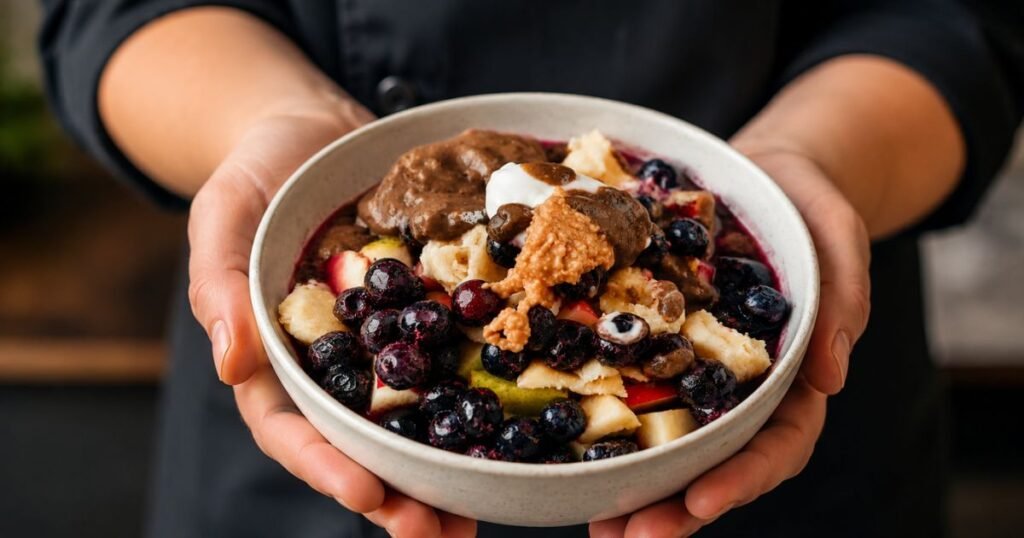
An açaí bowl sounds fancy, but the shortcut version takes only minutes. Blend frozen açaí with a frozen banana and a small amount of milk. Add frozen berries for extra flavor. Then finish with chia seeds and a modest amount of granola.
Berries such as strawberries, blueberries, blackberries, and raspberries are rich dietary sources of plant compounds. Chia seeds add fiber and omega-3 fats. However, commercial açaí bowls can contain considerable added sugar. Making one at home gives you much more control over the ingredients and toppings.
5. Savory Yogurt With Cucumber and Cumin
Sweet snacks aren’t for everyone. For a savory alternative, combine plain yogurt with finely chopped cucumber. Add roasted cumin and fresh coriander. A small amount of salt can bring everything together.
This simple bowl offers protein from yogurt while cucumber adds freshness and hydration. Yogurt containing live cultures can also contribute probiotics to your diet. The result resembles a quick raita-style snack. It’s especially handy when you want something cool, light, and savory rather than another sweet option.
6. Dark Chocolate and Walnuts
Sometimes a snack needs to feel like a treat. Try pairing a small portion of dark chocolate with walnuts. Choose chocolate with a higher cocoa percentage if you enjoy its stronger flavor.
Cocoa contains polyphenols while walnuts provide healthy fats and plant-based nutrients. Together, they create a simple sweet-and-crunchy combination. Keep the portion sensible because dark chocolate can still contain calories and added sugar. The goal is enjoyment with nutritional value rather than turning dessert into a health claim.
7. Banana With Almond Butter and Cinnamon
Slice a banana and spread it with almond butter. Add cinnamon on top. This snack requires almost no preparation and travels well.
Bananas provide carbohydrates and several micronutrients. Almond butter adds protein, healthy fats, and vitamin E. If you need a snack before exercise, the carbohydrate content can also make this combination practical. For a more filling option, add chia seeds or crushed walnuts.
8. Avocado Toast With Pumpkin Seeds
Toast a slice of whole-grain bread and spread mashed avocado across the surface. Sprinkle pumpkin seeds over the top. Add black pepper, herbs, or a squeeze of lemon if you like.
Avocado contributes unsaturated fats and fiber. Pumpkin seeds provide protein, minerals, and healthy fats. Whole-grain bread can add additional fiber. This makes a satisfying option when fruit-based snacks don’t quite hit the spot.
9. Berry Chia Pudding
Chia pudding works best when prepared ahead. However, you can make a quick version by stirring chia seeds into unsweetened milk and allowing them to thicken. Add mashed berries or fresh blueberries afterward.
Chia seeds absorb liquid and develop a pudding-like texture. They’re also a useful source of fiber and plant-based omega-3 fatty acids. For sweetness, use fruit instead of loading the mixture with sugar. This is a particularly convenient option for busy workday snacks because you can prepare several portions at once.
10. Cottage Cheese With Blueberries and Walnuts
Cottage cheese makes an excellent protein-rich base. Add fresh blueberries and a small handful of chopped walnuts. You can finish it with cinnamon for extra flavor.
The combination provides contrasting textures and flavors. Cottage cheese supplies protein. Blueberries contribute plant compounds. Walnuts add healthy fats and crunch. If you’re watching sodium, compare cottage cheese labels because sodium levels can vary considerably between products.
11. Quick Roasted Chickpeas
For a crunchy alternative to chips, use canned chickpeas. Rinse and drain them well. Toss them with spices such as paprika, garlic powder, cumin, or turmeric. If you have an air fryer, they can become crisp quickly.
Chickpeas provide fiber and plant protein. They’re also versatile enough to take on many flavors. If you’re using canned varieties, rinsing them can help remove some surface sodium. For maximum convenience, prepare a larger batch and store it properly.
12. Guacamole With Vegetable Sticks
Mash avocado with lime juice and a little seasoning. Serve it with cucumber, carrots, bell peppers, or celery. This is one of those easy-to-prepare snacks that looks colorful without requiring much work.
Avocado provides fiber and unsaturated fats. Vegetables add crunch and volume. You can also stir chopped tomatoes or fresh coriander into the guacamole. The result feels substantial while keeping the ingredient list simple.
13. Hard-Boiled Eggs With Avocado
Slice a prepared hard-boiled egg and serve it with avocado. Add pepper, paprika, or a little lemon juice. This savory combination can work especially well when you want something more filling.
Eggs provide high-quality protein and several nutrients. Avocado contributes fiber and unsaturated fats. Preparing several eggs in advance can make snack preparation much easier during a busy week.
14. Tuna Cucumber Bites
Mix tuna with a little plain yogurt, lemon juice, and pepper. Spoon the mixture onto cucumber slices. You can add fresh herbs for extra flavor.
Tuna offers protein and can provide omega-3 fats depending on the variety. Cucumber keeps the snack crisp and refreshing. For regular consumption, vary your seafood choices and consider mercury guidance when selecting fish.
15. Date, Walnut, and Dark Chocolate Bites
Finally, combine pitted dates with walnuts and a small amount of melted dark chocolate. Add a pinch of sea salt or cocoa powder. Roll the mixture into small bite-sized snacks and chill them.
Dates provide natural sweetness while walnuts contribute healthy fats. Dark chocolate adds cocoa polyphenols. Because dates and chocolate are energy-dense, smaller portions make sense. These bites are best viewed as a nutrient-conscious treat rather than an unlimited snack.
| Snack | Main ingredients | Prep time | Best for |
|---|---|---|---|
| Apple with peanut butter | Apple, peanut butter, cinnamon | 2 min | Sweet and filling |
| Yogurt berry bowl | Yogurt, berries, chia | 3 min | Protein and fiber |
| Hummus plate | Hummus, carrots, cucumber, peppers | 3 min | Savory snack |
| Açaí bowl | Açaí, banana, berries, chia | 5 min | Fruit cravings |
| Savory yogurt | Yogurt, cucumber, cumin | 3 min | Light savory option |
| Dark chocolate walnuts | Chocolate, walnuts | 1 min | Sweet cravings |
| Banana almond butter | Banana, almond butter | 2 min | Pre-workout option |
| Avocado toast | Toast, avocado, pumpkin seeds | 5 min | More substantial snack |
| Chia pudding | Chia, milk, berries | 5 min* | Make-ahead snack |
| Cottage cheese bowl | Cottage cheese, blueberries, walnuts | 3 min | High-protein snack |
4. High-Protein Anti-Inflammatory Snacks
When hunger strikes between meals, protein can make a snack much more satisfying. Foods such as Greek yogurt, cottage cheese, eggs, tuna, chickpeas, and nuts can help you build a balanced option without much preparation. Pairing protein with fruits, vegetables, seeds, or whole grains also adds fiber and other nutrients. This approach works especially well when you’re trying to replace highly processed snacks with more nourishing choices.
For example, try cottage cheese with blueberries and walnuts. You get creamy texture, natural sweetness, and satisfying crunch in one bowl. Another simple choice is a hard-boiled egg with avocado and sliced vegetables. Tuna cucumber bites also work well when you prefer something savory. These combinations don’t promise to cure inflammation. Instead, they make it easier to include anti-inflammatory foods in your everyday eating pattern.
Greek Yogurt, Berries, and Chia
Greek yogurt creates an excellent base for quick snacks because it provides protein without requiring cooking. Add strawberries, blueberries, or raspberries for natural sweetness. Then sprinkle chia seeds over the top. Chia contributes fiber and plant-based omega-3 fatty acids.
Choose plain yogurt when possible because flavored varieties may contain substantial added sugar. You can control the sweetness yourself with fruit. A few crushed walnuts can add healthy fats and texture. This simple bowl can also work as breakfast when you increase the portion.
Cottage Cheese With Fruit and Walnuts
Cottage cheese offers another convenient protein source. Combine it with blueberries and chopped walnuts for a balanced snack. Cinnamon can add warmth without extra sugar. If you prefer savory flavors, replace the fruit with cucumber, tomatoes, and fresh herbs.
Because cottage cheese products differ in sodium content, check the nutrition label when sodium matters to you. You can also choose lower-sodium varieties. The key idea is simple: combine protein with plant foods rather than relying on one ingredient alone.
Eggs and Avocado
Hard-boiled eggs become remarkably useful once you prepare them ahead. Slice one egg over avocado and add black pepper or paprika. Serve the mixture with cucumber or bell pepper slices for extra crunch.
Eggs provide protein and several essential nutrients. Avocado adds fiber and unsaturated fats. Together, they create a savory snack that feels substantial without needing a complicated recipe. If you’re preparing snacks for several days, keep the ingredients refrigerated and follow standard food-safety practices.
5. Anti-Inflammatory Fruit and Yogurt Snacks
Fruit and yogurt make a natural partnership because they combine different textures and nutrients. Berries are especially useful because strawberries, blueberries, blackberries, and raspberries provide fiber and plant compounds. Yogurt adds protein and calcium. Certain yogurts with live cultures can also contribute probiotics to your diet.
However, not every fruit-and-yogurt snack needs to look like a smoothie bowl from social media. Keep it practical. Stir berries into plain yogurt. Add chia seeds or walnuts. You can also freeze spoonfuls of yogurt with fruit for a refreshing bite. These healthy snack ideas take little effort while adding variety to your diet.
Berry Yogurt Cups
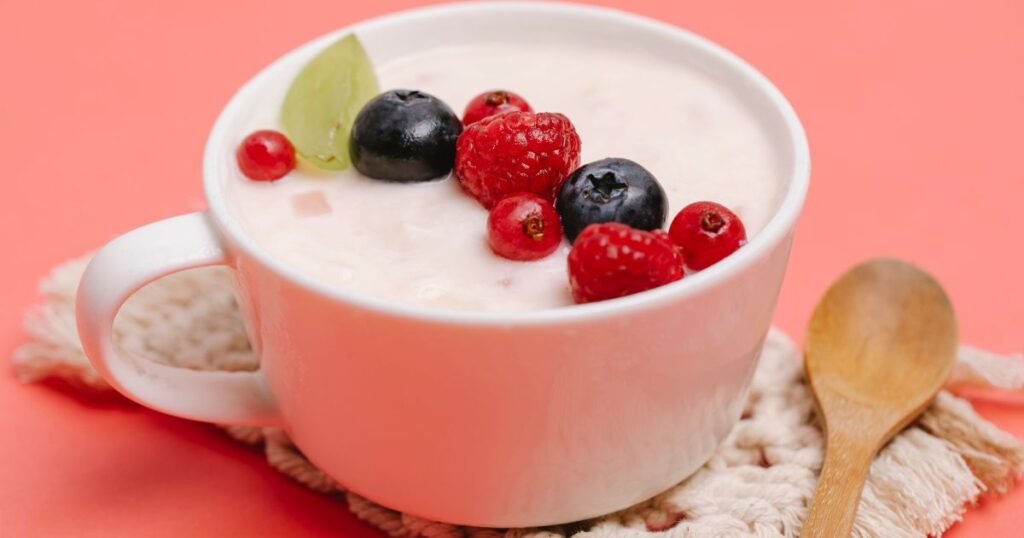
Start with plain Greek yogurt in a small glass or container. Add a layer of blueberries and strawberries. Sprinkle chia seeds between the layers. Finish with a few crushed walnuts if desired.
The result provides protein, fiber, healthy fats, and naturally sweet fruit. You can prepare several containers in advance. Just keep them refrigerated and add crunchy toppings shortly before eating if you want better texture.
Frozen Yogurt Berry Bites
For a colder treat, place small spoonfuls of plain yogurt onto a lined tray. Press a few berries into each portion. Freeze until firm. Store the bites in a sealed freezer-safe container.
These frozen bites can satisfy a sweet craving without relying on candy or heavily processed desserts. You can experiment with blueberries, raspberries, mango, or chopped strawberries. If you use sweetened yogurt, remember that the added sugar can quickly increase.
Açaí and Berry Bowl
An açaí bowl can become a nutrient-rich snack when you keep the toppings sensible. Blend frozen açaí with banana and a small amount of unsweetened milk. Add frozen blueberries, strawberries, or raspberries.
Chia seeds provide fiber and plant-based omega-3 fats. A small amount of granola adds crunch. Fresh fruit can add additional flavor. The biggest trap is turning a simple bowl into a sugar-heavy dessert with excessive syrup, sweetened granola, or oversized portions.
6. Nut and Seed Snacks for an Anti-Inflammatory Diet
Nuts and seeds deserve a place in your snack rotation because they pack plenty of nutrition into a small serving. Walnuts, chia seeds, almonds, and pumpkin seeds provide varying amounts of protein, fiber, minerals, and unsaturated fats. Walnuts and chia seeds also provide plant-based omega-3 fatty acids.
Because nuts and seeds are energy-dense, portion size matters. A small handful can be enough for a snack. You can pair them with fruit or plain yogurt to make the snack more satisfying. This creates a useful balance between healthy fats, protein, fiber, and carbohydrates.
Walnut and Dark Chocolate Pairing
A small serving of walnuts with dark chocolate can handle a serious sweet craving. Choose dark chocolate with a relatively high cocoa content if you enjoy its richer taste. Add a few berries for freshness.
Cocoa contains polyphenols while walnuts provide unsaturated fats and other nutrients. Still, dark chocolate remains calorie-dense. Keep the serving modest. The idea isn’t to turn chocolate into a free pass. It’s to enjoy a flavorful snack while choosing ingredients with additional nutritional value.
Chia Seed and Berry Cup
Stir chia seeds into unsweetened milk and let the mixture thicken. Add mashed berries or fresh fruit afterward. You can prepare the mixture the night before for an effortless snack.
Chia seeds absorb liquid and create a pudding-like texture. They’re also rich in fiber. If you’re not used to eating much fiber, increase portions gradually and drink enough fluids. That can make the transition more comfortable.
Apple With Almond Butter
Slice an apple and spread a thin layer of almond butter across each piece. Add cinnamon for extra flavor. You can sprinkle crushed chia seeds or walnuts over the top.
This snack combines fruit with healthy fats and some protein. Keeping the apple skin on also preserves much of the fruit’s fiber and plant compounds. Choose a nut butter with a short ingredient list when possible.
7. Easy Anti-Inflammatory Hummus and Vegetable Snacks
Hummus is one of the most practical snack foods around. Its main ingredient, chickpeas, provides fiber and plant protein. Tahini contributes healthy fats and minerals. Olive oil adds unsaturated fat while lemon and garlic provide bold flavor. Pairing hummus with fresh vegetables turns it into a colorful snack that requires almost no cooking.
Carrots, cucumbers, celery, and bell peppers all work well as dipping vegetables. You can prepare them once and store them in the refrigerator for several days. That small bit of planning makes healthy choices easier when hunger appears unexpectedly. It’s a simple example of how snack preparation can improve consistency.
Classic Hummus With Crunchy Vegetables
Place hummus in a small bowl and surround it with carrot sticks, cucumber rounds, and sliced bell peppers. Add a drizzle of olive oil if you enjoy a richer flavor. Sprinkle paprika or cumin over the hummus.
The vegetables provide crunch and volume. Chickpeas contribute fiber and protein. Tahini adds healthy fats. Together, they create a snack that feels much more substantial than a handful of crackers.
Lemon-Garlic Hummus
You can make a quick homemade version using cooked chickpeas, tahini, lemon juice, garlic, olive oil, salt, and water. Blend everything until smooth. Add water gradually until you reach your preferred texture.
Homemade hummus gives you more control over sodium and ingredients. You can also adjust the flavor with cumin, smoked paprika, parsley, or fresh coriander. Store leftovers safely in the refrigerator and use clean utensils when serving.
Hummus and Whole-Grain Toast
If vegetables don’t satisfy your appetite, spread hummus over whole-grain toast. Add sliced cucumber, tomato, or avocado on top. A sprinkle of sesame seeds can provide additional texture.
This version provides more carbohydrates than a vegetable-based hummus plate. That isn’t necessarily a problem. Your portion and overall diet matter. For someone needing a more substantial snack, combining whole grains with protein, fiber, and healthy fats can be a practical choice.
Why Chickpeas Work So Well
Chickpeas are particularly versatile because they can move between sweet and savory recipes. Their fiber supports digestive health while their plant protein can contribute to satiety. They also work well in hummus, roasted snacks, salads, and snack jars.
Rather than searching for one miracle ingredient, build variety. Use chickpeas alongside vegetables, fruit, nuts, seeds, whole grains, and other minimally processed foods. That approach fits naturally into an overall anti-inflammatory diet.
Quick Snack Comparison
| Snack combination | Main benefit | Preparation |
|---|---|---|
| Hummus + carrots | Fiber + plant protein | 2–3 minutes |
| Hummus + bell peppers | Crunch + vegetables | 2–3 minutes |
| Hummus toast | More filling | 5 minutes |
| Yogurt + berries | Protein + fruit | 3 minutes |
| Cottage cheese + walnuts | Protein + healthy fats | 3 minutes |
| Apple + almond butter | Fiber + healthy fats | 2 minutes |
| Chia pudding | Fiber + omega-3 fats | 5 minutes plus chilling |
| Egg + avocado | Protein + unsaturated fats | 3 minutes if eggs are prepared |
8. Anti-Inflammatory Snack Recipes With Chickpeas and Legumes
Chickpeas and other legumes make excellent snacks because they combine fiber and protein in one affordable ingredient. They also work in both creamy and crunchy recipes. If you’re looking for quick snack recipes, keep cooked or canned chickpeas ready in the refrigerator. That small preparation step can save time throughout the week.
Crispy Spiced Chickpeas
For a crunchy snack, rinse and drain chickpeas thoroughly. Toss them with olive oil, cumin, paprika, garlic powder, and a little black pepper. Roast or air-fry them until crisp. Let them cool before storing them in an airtight container.
This recipe provides a satisfying alternative to chips. Chickpeas contribute plant protein and fiber while spices add flavor without relying heavily on salt. You can experiment with turmeric, smoked paprika, rosemary, or chili powder. Keep portions reasonable because roasting concentrates the snack’s calories.
Chickpea and Avocado Mash
Mash cooked chickpeas with avocado, lemon juice, and chopped fresh coriander. Add cucumber or tomato for extra freshness. Serve the mixture with whole-grain crackers or vegetable slices.
The combination brings together plant protein, fiber, and unsaturated fats. It also has a creamy texture without requiring mayonnaise. For a stronger flavor, add cumin and a small amount of garlic. This recipe works well as a midday snack when fruit doesn’t appeal to you.
High-Fiber Guacamole Snack Jar
Layer mashed avocado with chickpeas, chopped tomatoes, cucumber, and a little lime juice. Keep the ingredients chilled in a small container. When you’re ready to eat, mix everything together.
This snack is convenient because you can prepare several jars at once. The vegetables add volume while chickpeas provide fiber and protein. Avocado supplies healthy fats. If you’re packing these for work, keep them refrigerated until you’re ready to eat.
Homemade Hummus With Roasted Chickpeas
You can combine two chickpea textures in one snack. Spread smooth hummus into a bowl and sprinkle crispy roasted chickpeas over it. Add cucumber or carrot sticks on the side.
The creamy hummus makes the snack satisfying while roasted chickpeas provide crunch. This simple combination also demonstrates why anti-inflammatory snack recipes don’t need unusual ingredients. Familiar foods can create excellent results when you combine them thoughtfully.
9. Quick Anti-Inflammatory Snacks With Fish, Eggs, and Other Savory Foods
Savory snacks can be especially useful when you want something filling without another sweet option. Fish, eggs, yogurt, and legumes can provide protein that helps make a small meal feel more substantial. Add vegetables or whole grains to bring more fiber and micronutrients into the mix.
Fish can also provide omega-3 fatty acids. The amount varies considerably by species. Eggs provide protein and several vitamins and minerals. Yogurt can add protein and calcium. Instead of relying on one food every day, rotate these choices throughout the week. Variety keeps your diet interesting and improves nutrient diversity.
Tuna Cucumber Bites
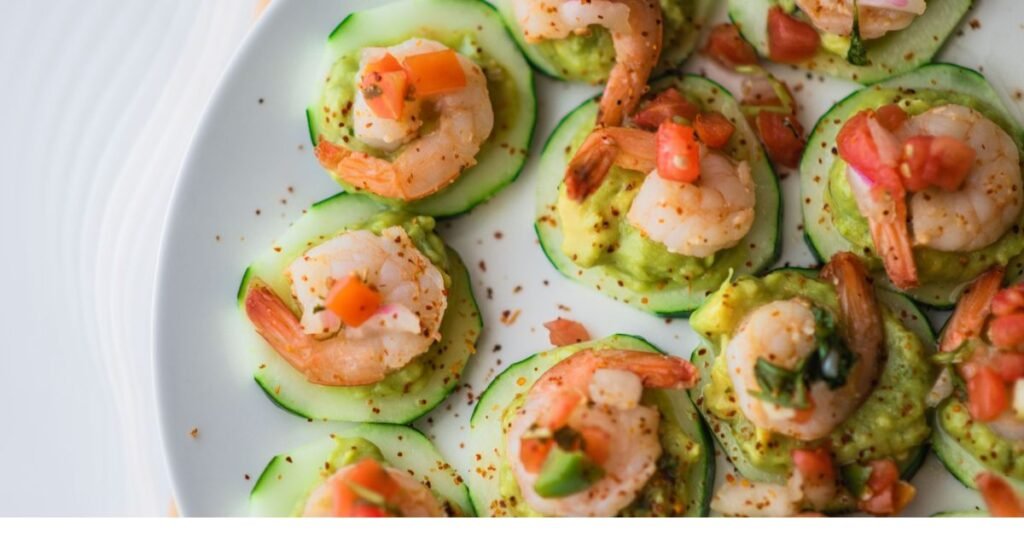
Mix canned tuna with plain yogurt, lemon juice, black pepper, and fresh herbs. Spoon the mixture over cucumber slices. Add paprika or dill for extra flavor.
Cucumber gives the snack a crisp base while tuna supplies protein. Using yogurt instead of a large amount of mayonnaise can create a lighter texture. When choosing canned tuna, pay attention to seafood guidance and vary your fish choices over time.
Egg and Avocado Bites
Slice a hard-boiled egg and place each piece over avocado. Add pepper, paprika, or a squeeze of lemon. Serve with cucumber or bell pepper strips.
This combination requires almost no cooking when you prepare the eggs beforehand. Eggs supply protein while avocado provides fiber and unsaturated fats. It’s particularly useful when you need a savory snack that can hold you over until dinner.
Sardines on Whole-Grain Toast
For a stronger seafood option, place sardines over a small slice of whole-grain toast. Add lemon juice and chopped herbs. You can also add sliced tomato or cucumber.
Sardines are naturally rich in omega-3 fatty acids and provide protein. Whole-grain toast adds carbohydrates and fiber. Because sardines have a distinctive flavor, start with a small serving if you’re new to them.
Savory Yogurt and Cucumber Bowl
Mix plain yogurt with chopped cucumber, cumin, fresh coriander, and a small amount of seasoning. Add roasted chickpeas for crunch and extra protein.
This simple bowl combines several useful food groups. Yogurt contributes protein and calcium. Cucumber adds freshness. Chickpeas provide fiber and plant protein. The result is refreshing but still satisfying.
Mediterranean Egg Snack Plate
Build a small plate with one or two hard-boiled eggs, cucumber, tomatoes, olives, and a little hummus. Add whole-grain pita if you need something more filling.
This style of snack borrows ingredients commonly found in Mediterranean-style eating patterns. It offers protein, vegetables, healthy fats, and fiber. You can adjust the portions based on your hunger and overall daily meals.
10. Sweet Anti-Inflammatory Snacks for Cravings
Sweet cravings don’t automatically mean you need dessert. You can create satisfying treats with fruit, nuts, seeds, yogurt, and cocoa. These ingredients can add polyphenols, fiber, healthy fats, and other nutrients while still giving you something enjoyable.
The trick is keeping the snack balanced. Dates, dark chocolate, granola, and dried fruit can contain concentrated calories or natural and added sugars. They can still fit into a healthy eating pattern. Portion size matters. So does the rest of your diet.
Dark Chocolate, Walnut, and Date Bites
Blend pitted dates and walnuts into a coarse mixture. Add a small amount of melted dark chocolate and cocoa powder. Roll the mixture into small balls and chill them.
Dates provide natural sweetness. Walnuts add healthy fats and plant nutrients. Cocoa contributes polyphenols. These bite-sized snacks can replace heavily processed sweets when you want something richer.
However, don’t treat them as calorie-free health food. Dates and chocolate are energy-dense. One or two small bites may be enough to satisfy a craving without turning a snack into a full dessert.
Frozen Banana Chocolate Bites
Slice a banana into small pieces. Dip each piece lightly into melted dark chocolate. Sprinkle with crushed walnuts or chia seeds. Freeze until firm.
Bananas provide carbohydrates and potassium. Dark chocolate contributes cocoa compounds while walnuts add healthy fats. The frozen texture makes the snack feel more indulgent than its simple ingredient list suggests.
Berry Cocoa Yogurt Bowl
Mix plain Greek yogurt with blueberries and raspberries. Add a light dusting of unsweetened cocoa powder. Top with chia seeds or chopped walnuts.
This combination gives you protein from yogurt and fiber from berries and seeds. Cocoa adds a rich chocolate flavor without requiring much added sugar. If you want more sweetness, mashed banana can work well.
Apple, Cinnamon, and Almond Butter
Slice an apple and serve it with almond butter. Sprinkle cinnamon over the top. Add a few crushed walnuts if you want extra crunch.
This remains one of the easiest combinations for a reason. It takes minutes to prepare and needs no cooking. Apples provide fiber and plant compounds while almond butter supplies healthy fats and some protein.
Date and Walnut Energy Bites
Mash soft dates with walnuts and chia seeds. Add cinnamon and a little cocoa powder. Roll the mixture into small portions and refrigerate.
These can be prepared in advance for several days. Their sweetness comes mainly from dates. The nuts and seeds provide texture and fat. If you’re watching your calorie intake, make smaller portions rather than eliminating the recipe completely.
Strawberry Yogurt Bark
Spread plain yogurt thinly across a lined tray. Add sliced strawberries, blueberries, and chia seeds. Freeze until firm. Break the frozen yogurt into pieces.
This recipe works particularly well during warmer months. The fruit adds natural sweetness and color. Yogurt provides protein and calcium. You can also add chopped walnuts for extra crunch.
Anti-Inflammatory Snack Formula
Rather than memorizing dozens of recipes, use a simple formula when creating your own snacks:
Protein + plant food + healthy fat + fiber = a more balanced snack.
For example, yogurt provides protein. Berries provide plant compounds and fiber. Chia seeds add fiber and healthy fats. Another combination could use hummus, carrots, and whole-grain crackers. This flexible approach lets you create healthy snack ideas from whatever you already have at home.
| Snack | Protein source | Plant foods | Healthy fat |
|---|---|---|---|
| Yogurt berry bowl | Greek yogurt | Berries | Chia seeds |
| Tuna cucumber bites | Tuna | Cucumber | Olive oil or yogurt |
| Egg avocado bites | Eggs | Avocado | Avocado |
| Chickpea hummus plate | Chickpeas | Carrots, peppers | Tahini |
| Apple almond butter | Almond butter | Apple | Almond butter |
| Chocolate walnut bites | Walnuts | Dates, cocoa | Walnuts |
| Sardine toast | Sardines | Tomato, herbs | Fish oils |
| Chickpea avocado mash | Chickpeas | Avocado, tomato | Avocado |
A Simple Rule for Sweet Snacks
When choosing a sweet snack, start with whole fruit whenever possible. Then add protein or healthy fats if you need greater staying power. For instance, an apple becomes more filling with nut butter. Berries become more substantial with yogurt and chia seeds.
This doesn’t mean you must avoid cookies, pastries, or other treats. Food enjoyment matters too. The goal is to make nutrient-dense choices your default rather than treating them as punishment.
11. How to Prep Anti-Inflammatory Snacks for the Week
A little preparation can turn healthy snacks into the easiest choice during a busy week. Instead of making every snack from scratch, prepare a few basic ingredients ahead of time. Wash and cut vegetables, portion nuts, cook eggs, and keep cooked chickpeas ready. You can also prepare yogurt cups or chia pudding in individual containers. This approach reduces last-minute decisions when you’re hungry.
For the best results, prepare foods according to how quickly they spoil. Keep cut vegetables and dairy products refrigerated. Store nuts, seeds, and roasted chickpeas in suitable airtight containers. Keep frozen fruit ready for smoothies or quick snacks. You don’t need to prepare fifteen different recipes every Sunday. A few versatile ingredients can create many combinations throughout the week.
A Simple Weekly Snack-Prep Routine
Start by choosing three protein sources, three fruits or vegetables, and two healthy-fat options. For example, you might prepare boiled eggs, Greek yogurt, and hummus. Then keep berries, apples, cucumbers, and bell peppers available. Walnuts, chia seeds, and almond butter can provide additional healthy fats.
Once these ingredients are ready, mixing and matching becomes simple. Yogurt can become a berry bowl one day and a savory cucumber snack another. Hummus works with vegetables, whole-grain toast, or roasted chickpeas. This flexible method prevents your snack routine from becoming repetitive.
Make Grab-and-Go Snack Containers
Individual containers can make portion control much easier. Add cucumber and bell pepper slices to one container. Keep hummus in a separate small container to prevent the vegetables from becoming soggy. Another container can hold berries with plain yogurt.
For dry snacks, portion walnuts, roasted chickpeas, or dark chocolate into small containers. This makes them easier to grab before work or during an afternoon break. Snack preparation doesn’t have to become another complicated household task. Think of it as setting up your future self for success.
Keep a Mix-and-Match System
A useful strategy is to prepare ingredients rather than complete meals. Cook several eggs at once. Wash berries. Slice vegetables. Portion nuts. Prepare a batch of hummus. Then build different combinations throughout the week.
This method also lets you adjust snacks according to hunger. A small yogurt cup may be enough on one day. On another day, you might need hummus with vegetables and whole-grain toast. Flexibility makes an anti-inflammatory diet easier to maintain over time.
Conclusion: Build a Simple Anti-Inflammatory Snack Routine
The best snack routine isn’t the fanciest one. It’s the one you can actually follow when work gets hectic and hunger arrives. Build around anti-inflammatory foods such as berries, apples, vegetables, chickpeas, yogurt, nuts, seeds, and fish. Then combine them in ways that provide protein, fiber, healthy fats, and plenty of flavor.
Most importantly, don’t chase a single miracle food. Inflammation is influenced by many factors, including overall diet, physical activity, sleep, stress, smoking, alcohol intake, and existing health conditions. A few smart snacks won’t transform your health overnight. However, small choices repeated consistently can become part of a genuinely nourishing eating pattern.
Frequently Asked Questions About Anti-Inflammatory Snacks
What is the No. 1 Anti-Inflammatory Snack?
A simple choice is berries with plain yogurt. Berries provide antioxidants and polyphenols while yogurt adds protein and probiotics.
How to Make a Snack in 5 Minutes?
Try apple slices with natural peanut butter and a sprinkle of cinnamon. It takes only a few minutes and provides fiber, healthy fats, and flavor.
What Are Some Great Anti-Inflammatory Snacks?
Good options include hummus with vegetables, berries with yogurt, walnuts, chia pudding, chickpeas, and dark chocolate with nuts.
What Stops Inflammation Immediately?
No single food or snack can stop inflammation immediately. A consistent diet rich in whole foods can help support the body’s normal inflammatory response over time.
What Drink Reduces Inflammation?
Green tea is a good option because it contains polyphenols such as catechins. Water also supports hydration, which is important for overall health.