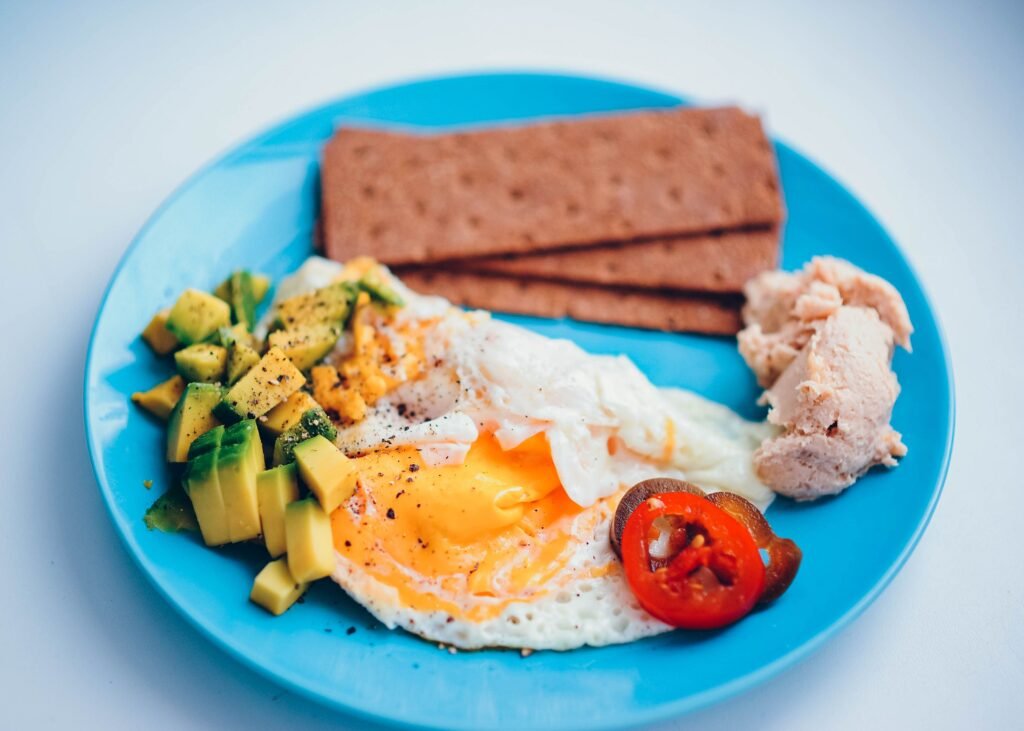
Many people believe that eating a wide variety of foods is the best way to stay healthy. While variety certainly has its advantages, new research analysis shows that sticking to a few familiar, healthy meals may actually make weight loss easier.
A recent study found that people who daily ate the same meals and maintained a steady calorie intake lost more weight than those who frequently changed what they ate. The findings, published in the journal Health Psychology, suggest that having a few reliable, nutritious meals could make healthy eating simpler and more sustainable.
Does a Consistent Meal Plan Help You Lose Weight?
The researchers followed 112 adults living with overweight or obesity who participated in a structured 12-week weight loss program. Throughout the study, participants logged everything they ate using a mobile app and weighed themselves daily using a wireless scale.
Researchers analyzed two main factors to understand participants’ daily eating patterns:
Calorie steady: How much daily calorie intake changed from one day to another and between weekdays and weekends.
How often participants chose the same healthy meals and snacks during the 12-week weight loss program.
The results showed that people who daily repeated the same healthy meals lost an average of 5.9% of their body weight, while those who ate a more varied diet lost around 4.3% on average.
Although the difference wasn’t huge, experts say that following consistent eating habits can make healthy eating easier, helping you stay on track with your weight loss goals over time.
Why Consistency May Make Weight Loss Easier
According to nutrition experts, having a few healthy “go-to” meals removes much of the daily decision-making that often leads to harmful food choices.
When you already know what you’re going to eat, you’re less likely to order fast food, snack impulsively, or overeat because of convenience.
The study also found that people whose calorie intake stayed relatively stable each day achieved better weight loss results. Examiners estimated that for every 100-calorie increase in daily calorie fluctuations, overall weight loss decreased by almost 0.6% during the study period.
In other words, daily eating similar portions each day may help your body stay on track with a calorie deficit.
Healthy Meals Matter More Than Repetition Alone
Experts caution that repeating meals only works when those meals are nutritious and well-balanced.
A routine built around vegetables, lean proteins, whole grains, healthy fats, and fiber can facilitate both weight loss and overall health. However, eating the same highly processed or nutrient-poor foods every day may leave your body lacking important vitamins and minerals.
Consistency should support healthy nutrition—not replace it.
Can You Follow This Strategy in Everyday Life?
While eating identical meals every day may not be realistic for everyone, many experts believe that creating a small rotation of healthy favorites is much easier to maintain.
Busy schedules, travel, family commitments, and social events often make perfect attendance difficult. Instead of aiming for the exact same meals every day, you can build a routine around several nutritious breakfast, lunch, and dinner options that you genuinely enjoy.
Many people naturally eat the same 20 to 30 foods every week. Choosing healthier versions of those familiar foods can make weight management much easier over time.
The Study Shows a Link—Not Proof
Although the findings are encouraging, examiners emphasize that the study found an association, not direct proof that repeating meals causes weight loss.
Other factors, such as motivation, discipline, or commitment to the weight loss program, may also have contributed to contestants’ success.
Still, the results suggest that simplifying food choices and maintaining a steady calorie intake could be useful strategies for people trying to lose weight.
Simple Tips to Start Losing Weight
If you’re trying to lose weight, creating a realistic routine is often more effective than following restrictive diets.
Here are a few practical strategies:
Build a list of healthy meals you enjoy and rotate them throughout the week.
Keep your daily calorie intake relatively consistent.
Include lean protein, vegetables, whole grains, healthy fats, and fiber in most meals.
Limit highly processed foods and sugary drinks.
Stay physically active with regular exercise.
Track your meals if it helps you stay accountable.
Build healthy habits you can maintain for the long term solution instead of relying on short-term weight loss solutions.
Can a Simple Meal Routine Help You Lose Weight?
Eating the same healthy meals every day isn’t essential, but having a steady meal routine may make weight loss easier. By reducing daily food decisions, controlling calorie intake, and sticking with balanced, nutrient-rich meals, you may find it simpler to stay on track with your goals.
The best weight loss plan is one that fits your lifestyle, preferences, and health needs. If you’re unsure where to begin, consider speaking with a registered dietitian or healthcare provider to create a personalized plan that works for you.
Conclusion
Eating the same healthy meals every day isn’t the only way to lose weight, but it can make healthy eating much easier. Having a few nutritious “go-to” meals helps reduce decision fatigue, keeps your calorie intake more consistent, and makes it easier to stick to your weight loss plan. While this approach may not work for everyone, building a simple routine around balanced meals can support long-term success. Remember, the best diet isn’t the most complicated one—it’s the one you can enjoy and maintain consistently for a healthier lifestyle.