Discover the six essential strength exercises every man over 50 should master to stay fit, maintain muscle, improve movement, and remain independent for years to come.
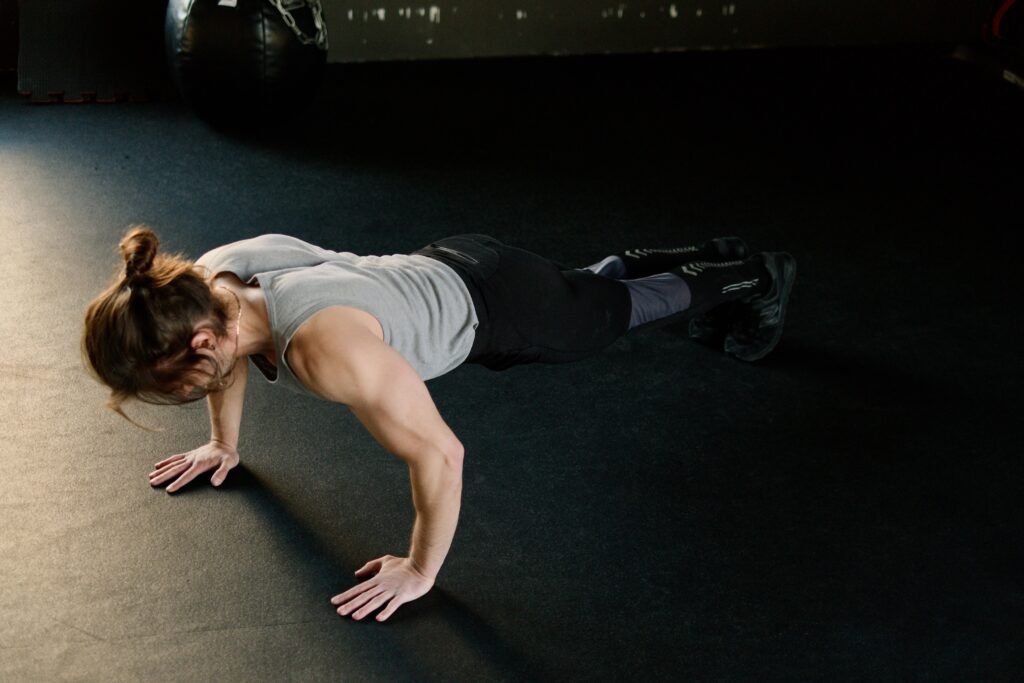
Become older does not mean weaker. In fact, staying strong after 50 is one of the best ways to save your health, maintain your independence, and continue enjoying everyday life without limitations.
Many people assume they need complex workout programs or hours in the gym. The reality is much simpler. What matters most is building practical strength that helps you perform everyday tasks with confidence. Whether it’s carrying groceries, lifting luggage, climbing stairs, or getting up from the floor, functional strength makes daily life easier.
Instead of chasing unrealistic fitness goals, many strength coaches recommend focusing on a few key movement patterns that reflect real-world strength. If you can peacefully perform these six exercises, your body is likely in best condition for your age.
Here are six strength benchmarks every man over 50 should work toward.
1. Deadlift (Lift 1.5 Times Your Body Weight)
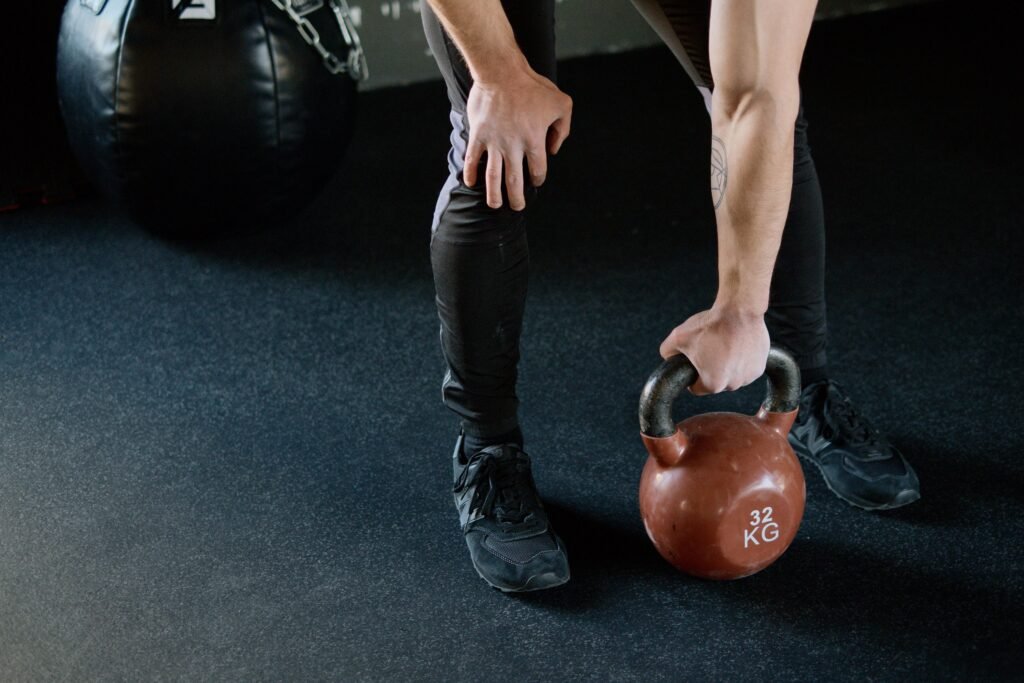
The deadlift is often considered one of the best full-body strength exercises because it trains nearly every major muscle group at once.
It strengthens your:
Glutes
Hamstrings
Lower back
Core Grip
Upper back
More significantly, it teaches your body how to safely lift heavy objects from the floor—something we do more often than we realize.
Whether you’re moving furniture, lifting a heavy suitcase, or picking up a storage box, the deadlift prepares your body for real-life activities.
Goal
Aim to lift 1.5 times your body weight for one controlled repetition.
If that sounds intimidating, don’t worry. Start with lighter weights, master proper technique, and gradually build strength over time. Good form is always more important than lifting heavier.
2. Goblet Squat: Build Stronger Legs and Better Balance
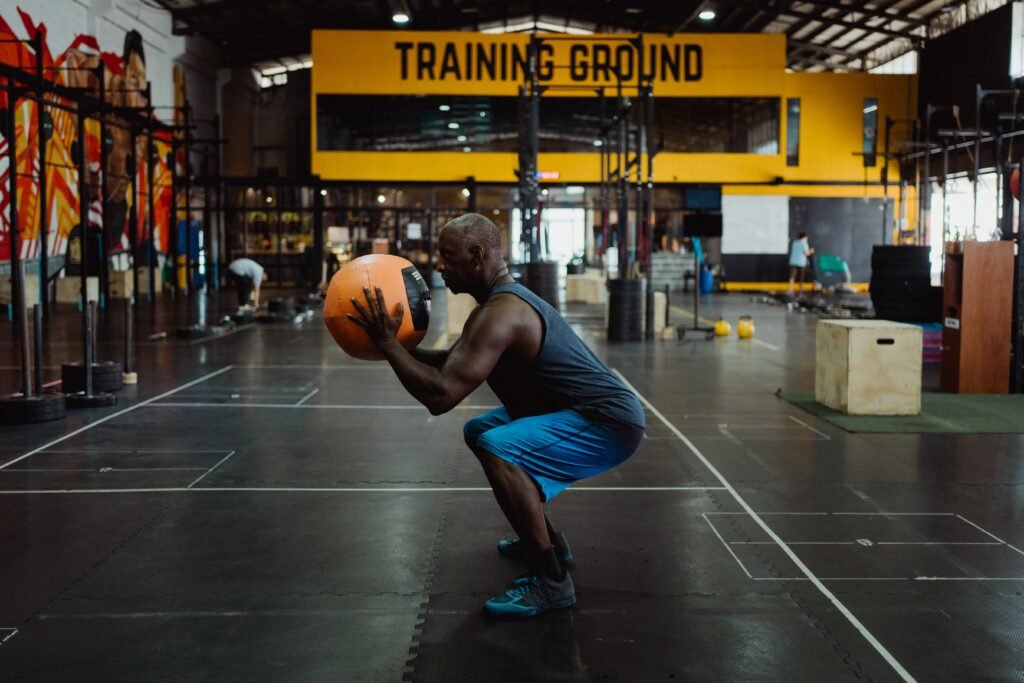
Lower-body strength becomes increasingly important as we age.
The goblet squat is one of the safest and most effective exercises for strengthening your legs while placing less stress on your lower back.
Holding a kettlebell or dumbbell close to your chest encourages better posture while strengthening your:
Quadriceps
Hamstrings
Glutes
Core
Strong legs improve balance, mobility, and stability, making everyday activities much easier.
You’ll notice the benefits when:
Walking upstairs
Getting out of a chair
Playing with grandchildren
Gardening
Carrying heavy objects
Goal
Perform goblet squats using a weight that’s approximately 50% of your body weight.
3. Push-Ups (20 Consecutive Repetitions)
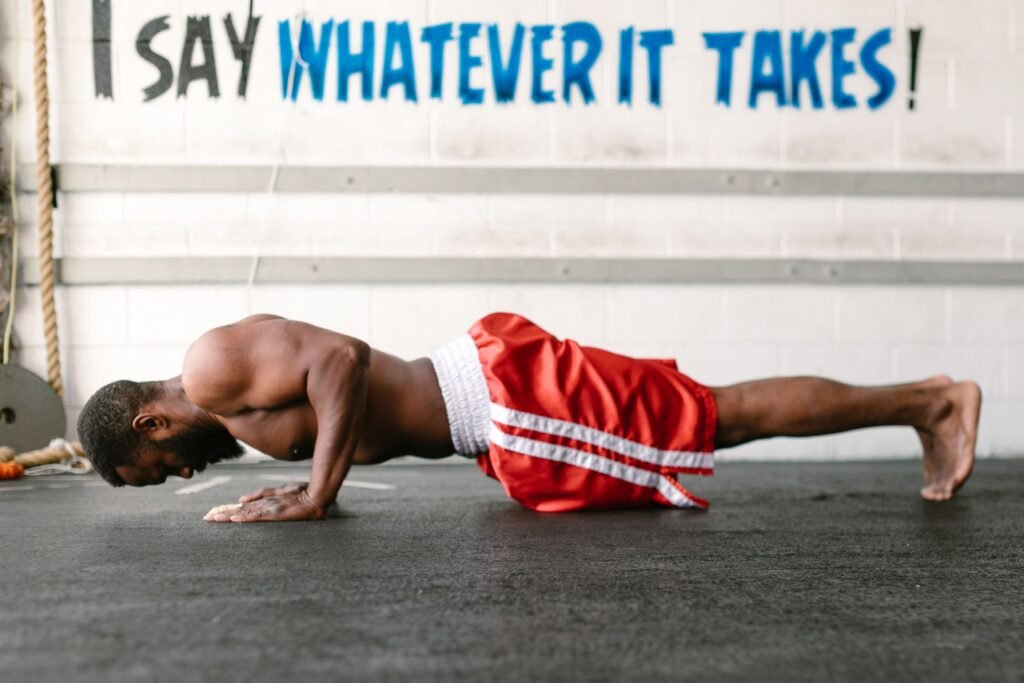
Before worrying about how much you can bench press, ask yourself a simpler question:
Can you perform 20 good-quality push-ups without stopping?
Push-ups remain one of the best bodyweight exercises because they develop functional upper-body strength while also strengthening your core.
They target:
Chest
Shoulders
Triceps
Core muscles
The movement also better your ability to push yourself up from the floor or move heavy objects during daily activities.
Goal
Complete 20 or more consistent push-ups while maintaining proper form.
If that’s currently too difficult, begin with incline or knee push-ups and gradually progress.
4. Pull-Ups (At Least 5 Repetitions)
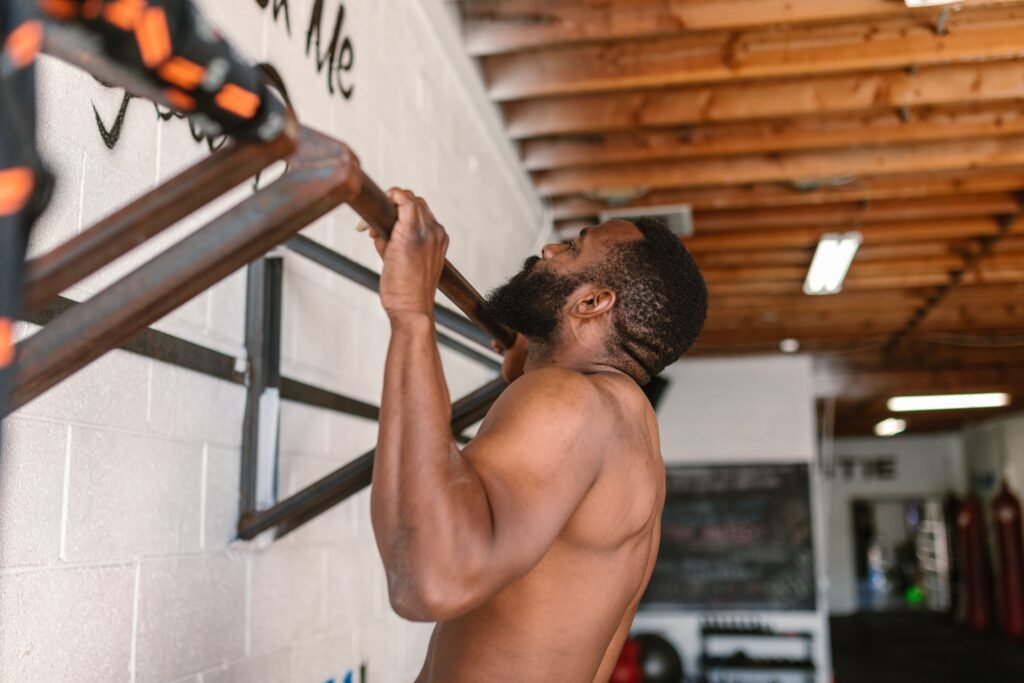
Pulling strength is just as important as pushing strength, yet it’s often overlooked.
Pull-ups challenge your:
Back muscles
Biceps Forearms
Grip strength
Core
They also help improve posture, reduce shoulder weakness, and maintain upper-body muscle as you age.
Many matures gradually lose pulling strength because they rarely perform pulling exercises during daily life.
Goal
Aim for five or more strict pull-ups.
If you’re not there yet, start with:
Assisted pull-ups
Hindrance bands
Inverted rows
Lat pulldowns
Exercises That Help Build Everyday Strength.
5. Farmer’s Carry (50-Pound Dumbbells)
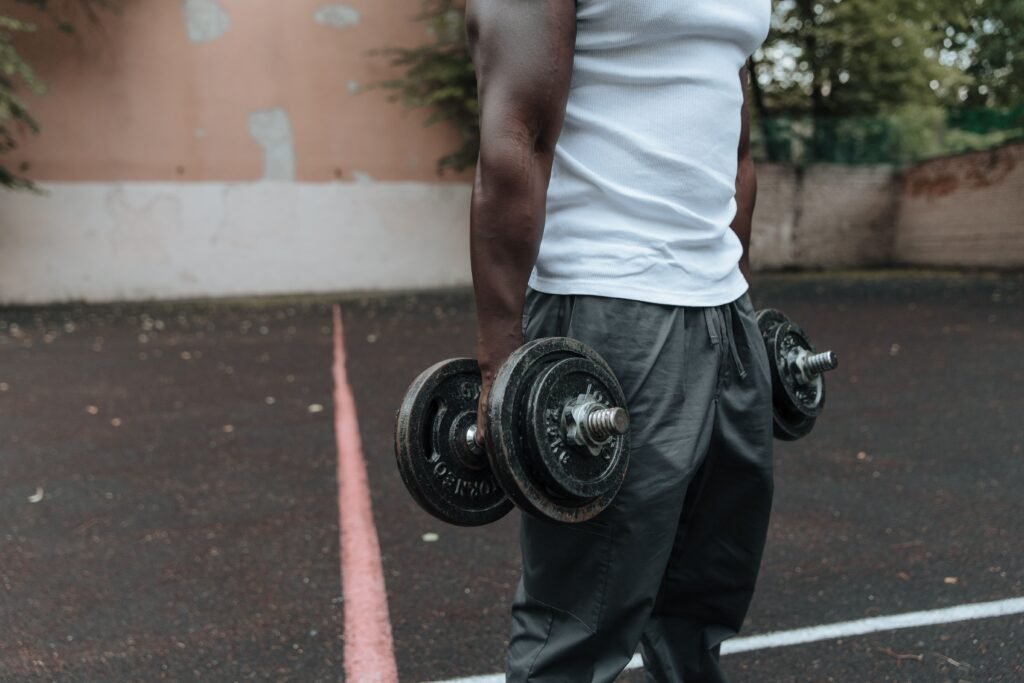
The farmer’s carry looks simple but delivers an incredible full-body workout.
All you need to do is pick up two heavy dumbbells, stand tall, and walk while maintaining good posture.
This exercise strengthens your:
Grip
Core
Shoulders
Traps
Legs
Cardiovascular endurance
Even better, it directly prepares you for everyday tasks like carrying shopping bags, luggage, buckets, or heavy boxes.
Goal
Carry two 50-pound dumbbells while maintaining good posture and complete control.
Focus on walking slowly, keeping your shoulders back and core engaged throughout the movement.
6. Overhead Press (50% of Your Body Weight)
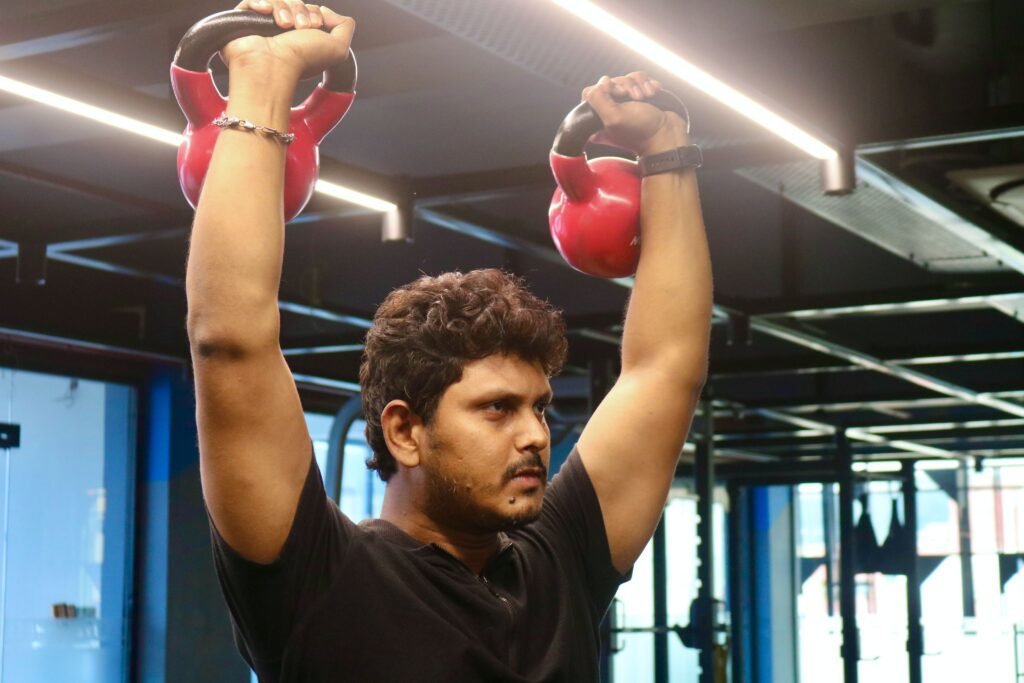
Strong shoulders are essential for maintaining independence later in life.
An overhead press develops:
Shoulders
Upper chest
Triceps
Core stability
This movement helps with everyday tasks such as placing items on high shelves, lifting boxes overhead, or carrying objects safely.
As people age, shoulder strength and movement often decline unless they’re trained daily.
Goal
Press almost 50% of your body weight overhead using proper technique.
Start with lighter weights and increase gradually while maintaining full control.
Why These Strength Benchmarks Matter After 50
After the age of 50, the body naturally begins losing muscle mass through a process called sarcopenia. Without daily strength training, muscles become smaller, weaker, and less capable of facilitating everyday movement.
Strength Is About Consistency, Not Heavy Weights
It’s about making daily life easier.
Strong muscles help you:
Stay independent longer
Improve balance and coordination
Reduce the risk of falls
Protect your joints
Maintain healthy bones
Preserve mobility and flexibility
Make everyday tasks feel easier
The stronger you stay now, the more freedom you’ll enjoy in the years ahead.
Tips for Building Strength Safely After 50
If you’re just starting strength training, keep these guidelines in mind:
Warm up before every workout.
Focus on proper strategies before increasing weight.
Train two to three times per week.
Allow enough time for recovery between sessions.
Include both strength and mobility exercises.
Eat enough protein to support muscle recovery.
Stay consistent rather than chasing quick results.
Small improvements made steadily over time often lead to the biggest long-term advantage.
Conclusion
Staying strong after 50 isn’t about competing with younger athletes or lifting record-breaking weights. It’s about building a body that facilitates you through everyday life.
These six strength benchmarks provide realistic goals that reflect practical fitness rather than gym performance alone.